
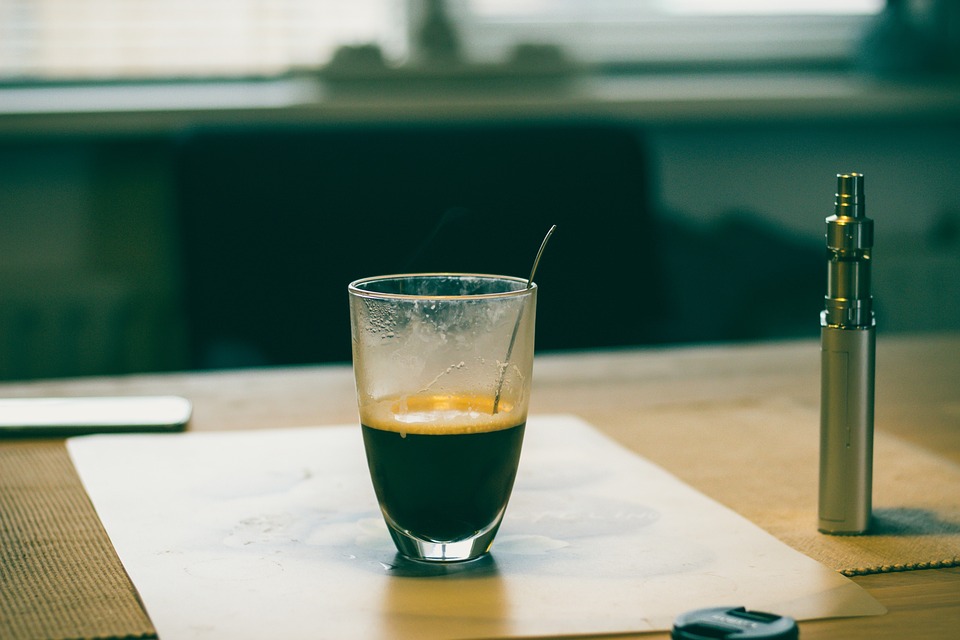
When you walk into a convenience store, a coffee shop, or scroll through a social‑media feed, it’s hard to miss the sleek, pen‑shaped devices that have become a cultural staple for many Australians. Vaping, once marketed as a “safer” alternative to smoking, now powers a multi‑billion‑dollar industry that claims to deliver flavorful clouds with minimal risk. Yet behind the glossy packaging and high‑tech designs lies a complex web of health, safety, and regulatory issues that most users never consider. This article unpacks the hidden dangers of vaping, examines the science behind the concerns, and offers practical guidance for anyone who is curious, currently vaping, or looking to quit.
1. Understanding the Vaping Landscape
1.1 What Is Vaping, Exactly?
Vaping refers to the inhalation of aerosol—commonly called “vapor”—produced by heating a liquid (often called e‑liquid or e‑juice). The core components of a typical vaping system are:
| Component | Function |
|---|---|
| Battery | Supplies power to heat the coil. Modern devices use lithium‑ion cells that can deliver 3.7 V to 5 V or higher. |
| Atomizer/Coil | A resistance wire (often nickel, stainless steel, or kanthal) that heats up when current flows through it, vaporising the liquid. |
| E‑Liquid | A solution of propylene glycol (PG), vegetable glycerin (VG), nicotine (optional), and flavoring agents. |
| Mouthpiece | Delivers the aerosol to the user’s mouth and lungs. |
| Housing/Body | Encloses the components. Designs range from disposable “cig‑like” devices to robust, refillable tanks and pod systems. |
In Australia, the market is dominated by premium brands such as IGET and ALIBARBAR, which promote long‑lasting batteries, high‑puff counts (e.g., up to 6 000 puffs per device), and a wide range of fruit‑forward flavors. While these products meet certain quality and safety standards (ISO certifications, compliance with TGO 110), the underlying health risks are largely independent of brand prestige.
1.2 How Vaping Differs From Smoking
Cigarette smoke contains thousands of chemicals, many of which are proven carcinogens, while e‑cigarette aerosol typically contains fewer, but still biologically active, constituents. The comparison, however, should not be seen as a blanket endorsement of safety. Vaping introduces nicotine (in most products), flavorants, and ultra‑fine particles directly into the respiratory tract, each with its own set of toxicological concerns.
2. Chemical Composition of E‑Liquid and Aerosol
2.1 Base Liquids: Propylene Glycol and Vegetable Glycerin
PG and VG are generally recognized as safe (GRAS) for ingestion, but inhalation is a different exposure route. Research indicates that:
- PG can cause throat irritation, coughing, and allergic reactions in susceptible individuals.
- VG produces dense vapor but can increase the deposition of particles deep in the lungs.
Both agents can degrade when heated, forming aldehydes such as formaldehyde, acetaldehyde, and acrolein—compounds with known cytotoxic and carcinogenic properties.
2.2 Nicotine: Pharmacology and Addiction
Even in low concentrations, nicotine is a potent psychoactive stimulant:
- Addiction: Nicotine binds to nicotinic acetylcholine receptors, leading to dopamine release and reinforcing use. Dependence can develop within weeks.
- Cardiovascular Impact: Elevated heart rate, increased blood pressure, and reduced arterial compliance have been documented in acute vaping sessions.
- Neurodevelopmental Risks: Adolescents exposed to nicotine experience impaired attention, learning, and increased susceptibility to other substance use.
2.3 Flavorings: The “Hidden” Toxicants
Flavor chemistry is a major selling point for vaping, yet many flavoring compounds are not intended for inhalation. Notable examples include:
- Diacetyl & Acetylpropionyl: Linked to “popcorn lung” (bronchiolitis obliterans), a severe, irreversible airway disease.
- Cinnamaldehyde: Can damage respiratory epithelium and impair mucociliary clearance.
- Menthol & Cooling Agents: May mask irritation, encouraging deeper inhalation and longer exposure.
A growing body of toxicological data suggests that certain flavor‑derived aldehydes, especially when combined with PG/VG heating, amplify oxidative stress in lung tissue.
2.4 Heavy Metals and Particulate Matter
The heating coil, especially when made from nickel, chromium, or stainless steel, can leach metal particles into the aerosol:
- Lead, Cadmium, Nickel: Chronic exposure at low levels is associated with neurotoxicity, renal dysfunction, and carcinogenesis.
- Ultrafine Particles (< 100 nm): Can cross the alveolar barrier, enter the bloodstream, and trigger systemic inflammation.
3. Health Risks Beyond the Lungs
3.1 Respiratory Consequences
- E‑Cigarette or Vaping‑Associated Lung Injury (EVALI): First recognized in 2019, EVALI presented as severe pneumonia‑like symptoms, with some cases requiring intensive care. While many cases were linked to vitamin E acetate in THC‑containing products, the episode highlighted the potential for acute lung toxicity.
- Chronic Bronchitis & Asthma Exacerbation: Repeated exposure to aerosol pollutants can irritate airway linings, leading to hyperreactivity, cough, and mucus hypersecretion.
- Impaired Host Defense: Studies demonstrate that vaping reduces macrophage function and impairs mucociliary clearance, raising susceptibility to bacterial and viral infections, including influenza and COVID‑19.
3.2 Cardiovascular Implications
- Endothelial Dysfunction: Short‑term vaping reduces flow‑mediated dilation, indicating early vascular injury.
- Increased Platelet Activation: Nicotine and aldehydes can promote platelet aggregation, potentially elevating the risk of thrombotic events.
- Long‑Term Outcomes: Epidemiological data are still emerging, but preliminary evidence suggests a modest rise in myocardial infarction risk among regular vapers compared with never‑smokers.
3.3 Oral Health and Cancer Risks
- Periodontal Disease: Nicotine constricts blood vessels in gingival tissue, compromising healing and promoting plaque accumulation.
- Oral Mucosal Lesions: Certain flavorings cause irritative lesions that could, in the long term, undergo dysplastic changes.
- Potential Carcinogens: Formaldehyde and acetaldehyde, produced during heating, are classified as human carcinogens. While exposure levels are lower than combustible cigarettes, cumulative risk cannot be dismissed.
3.4 Reproductive and Developmental Concerns
- Pregnancy: Nicotine exposure can impair placental development, increase the risk of preterm birth, and affect fetal brain development.
- Secondhand Aerosol: Non‑users, especially children and pregnant partners, can inhale nicotine and aerosol constituents, posing health risks similar to secondhand smoke exposure.
4. Device‑Related Hazards
4.1 Battery Explosions and Fires
Lithium‑ion batteries are prone to thermal runaway if mishandled. Common culprits include:
- Overcharging: Using incompatible chargers or charging beyond recommended voltage.
- Physical Damage: Dropping or crushing the device can breach internal separators.
- User Modifications: “Build‑your‑own” coil setups that exceed recommended resistance can cause excessive current draw.
Reported incidents have resulted in burns, loss of eyesight, and property damage.
4.2 Leakages and Contact Burns
Poorly sealed tanks can leak e‑liquid onto skin or clothing, leading to irritation or chemical burns. Additionally, “dry hits” (when the coil is heated without sufficient liquid) can produce excessively hot vapor, causing oral burns.
4.3 Software and Firmware Risks
Some high‑end devices allow users to adjust wattage, temperature, and airflow. Incorrect settings can:
- Overheat the coil, creating higher concentrations of toxic aldehydes.
- Induce voltage spikes, accelerating battery degradation.
5. The Youth Epidemic
5.1 Appeal of Flavors and Marketing
Flavors such as “Grape Ice,” “Mango Banana Ice,” and “Cotton Candy” are explicitly designed to attract younger demographics. Marketing tactics—including influencer partnerships, sleek packaging, and limited‑edition releases—amplify this appeal.
5.2 Epidemiological Trends in Australia
Recent national surveys indicate a rise in vaping among secondary school students, with prevalence among 12‑ to 17‑year‑olds climbing from 2% in 2017 to over 7% in 2023. Early initiation correlates with higher odds of transitioning to combustible cigarettes.
5.3 Neurodevelopmental Impact
The adolescent brain is particularly sensitive to nicotine. Exposure during this critical period can:
- Alter synaptic pruning, affecting learning and memory.
- Increase risk for mood disorders such as anxiety and depression.
- Set the stage for polysubstance abuse later in life.
6. Regulatory Landscape in Australia
6.1 Current Legislation
- Nicotine‑containing e‑liquids are classified as prescription‑only medicines. Vapers must obtain a prescription from a medical practitioner to legally purchase nicotine‑e‑liquids.
- Non‑nicotine liquids can be sold over‑the‑counter, but manufacturers must comply with the Australian Therapeutic Goods Administration (TGA) standards for labeling and safety.
- Device Standards: All electronic vaping devices must meet Australian/New Zealand Standard AS/NZS 4777.2 for electrical safety, and the TGO 110 standard for emissions.
6.2 Enforcement Challenges
Despite regulations, a thriving black market supplies nicotine‑containing pods and liquids without prescriptions. Online retailers, including international platforms, often evade domestic oversight, complicating public health surveillance.
6.3 Role of Reputable Retailers
Established stores such as the IGET & ALIBARBAR e‑cigarette outlet in Australia adhere to strict quality‑control protocols, including:
- ISO‑certified manufacturing.
- Traceability of chemical batches.
- Transparent labeling of nicotine strength.
Purchasing from such vetted sources reduces the likelihood of contaminant exposure and ensures devices meet safety standards.
7. Debunking Common Myths
| Myth | Reality |
|---|---|
| “Vaping is completely safe because there’s no tar.” | While vapor lacks tar, it contains aldehydes, metals, and ultrafine particles that still pose health risks. |
| “If I quit smoking, vaping won’t harm me.” | Switching may reduce exposure to some toxins, but new risks (e.g., flavor‑related lung injury) remain. |
| “Nicotine‑free e‑liquids are harmless.” | Even without nicotine, PG/VG aerosol and flavorings can irritate airways and cause inflammation. |
| “DIY mixing eliminates harmful chemicals.” | Amateur mixing often lacks quality controls, potentially introducing impurities and incorrect nicotine concentrations. |
| “Only cheap, counterfeit products are dangerous.” | High‑quality, brand‑name devices also generate harmful by‑products when used at high temperatures or with certain flavors. |
8. Strategies for Safer Vaping (If You Choose to Continue)
- Select Low‑Temperature Devices – Operating at ≤ 200 °C reduces aldehyde formation.
- Stick to Established Flavors – Avoid “buttery” or “cream” flavors known to contain diacetyl.
- Monitor Nicotine Intake – Choose the lowest effective concentration; consider nicotine‑salt formulations only if you need a smoother throat hit.
- Keep Batteries Healthy – Use the manufacturer’s charger, avoid over‑charging, and replace compromised batteries promptly.
- Store Liquids Properly – Keep e‑liquids in a cool, dark place to prevent oxidation and degradation.
- Use Reputable Retailers – Ensure products are sourced from stores that comply with Australian standards (e.g., IGET & ALIBARBAR flagship outlet).
- Limit Frequency and Depth of Inhalation – Short, light puffs reduce aerosol deposition in the peripheral lungs.
- Perform Regular Device Maintenance – Clean coils, replace them when resistance rises, and inspect for leaks.
- Seek Professional Guidance – If you plan to quit nicotine altogether, consult a healthcare provider for evidence‑based cessation therapies (NRT, prescription medications).
9. When to Seek Medical Help
- Persistent cough, wheezing, or shortness of breath lasting more than a week.
- Chest pain or palpitations that are unexplained.
- Severe throat irritation or burning sensations after inhalation.
- Signs of battery explosion such as burns, swelling, or discoloration of the device.
- Sudden onset of fever, vomiting, or gastrointestinal symptoms after vaping (possible EVALI indicator).
Early medical evaluation can prevent complications and provide tailored cessation support.
Conclusion
Vaping has undeniably reshaped the landscape of nicotine consumption in Australia, offering a high‑tech, flavor‑rich experience that appeals to both former smokers and new users alike. However, the allure of sleek devices and fruity clouds masks a myriad of hidden dangers: toxic chemicals generated during heating, addictive nicotine delivery, device‑related accidents, and a growing burden of respiratory and cardiovascular disease. Even premium brands that meet stringent manufacturing standards—such as IGET and ALIBARBAR—cannot fully eliminate these risks because many hazards stem from the fundamental physics and chemistry of aerosol generation, not from brand reputation.
For adults who have already quit smoking, switching to vaping may represent a reduced‑risk pathway, but it is not a risk‑free one. For young people and non‑smokers, initiating any nicotine‑containing product is likely to create new health problems and serve as a gateway to further substance use. In a regulatory environment where nicotine liquids require prescriptions and device standards are emerging, personal responsibility, informed decision‑making, and reliance on reputable retailers become crucial safeguards.
Ultimately, the most protective choice is to avoid inhaling foreign aerosols altogether. If you are currently vaping and are concerned about these hidden dangers, consider tapering nicotine, switching to lower‑temperature devices, or seeking professional cessation support. The journey toward a nicotine‑free life may be challenging, but it removes the unknown variables that lurk behind each puff and restores control over your health.
Frequently Asked Questions (FAQ)
1. Is vaping safer than smoking cigarettes?
Vaping generally exposes users to lower levels of some toxicants compared with combustible tobacco, but it is not without risk. The absence of tar does not mean the presence of harmful aldehydes, metals, and nicotine‑related cardiovascular effects. Safety is relative, not absolute.
2. Can I vape without nicotine and avoid addiction?
Nicotine‑free e‑liquids eliminate the addictive component, yet the inhaled aerosol still contains chemicals that can irritate the lungs and contribute to respiratory inflammation. Habitual puffing can also foster a psychological dependence on the ritual.
3. What are the most dangerous flavorings?
Diacetyl and acetyl‑propionyl are linked to bronchiolitis obliterans (“popcorn lung”). Cinnamaldehyde and certain menthol derivatives can damage airway epithelium. Flavorings that produce a buttery or creamy taste are most often associated with these compounds.
4. How long does a typical vape device last?
Battery life varies by device and usage pattern. Disposable models like the IGET Bar Plus promise up to 6 000 puffs, roughly equating to several weeks of moderate use. Refillable tanks depend on coil lifespan (often 1–2 weeks for high‑wattage vaping) and battery charge cycles.
5. Are there any long‑term studies on vaping health effects?
Longitudinal data are still emerging because vaping is a relatively new phenomenon. Early cohort studies show trends toward increased respiratory symptoms and modest cardiovascular changes, but definitive causality requires longer follow‑up.
6. Can vaping cause secondhand exposure for others?
Yes. Exhaled aerosol contains nicotine, fine particles, and volatile compounds that can be inhaled by by‑standers, especially in enclosed spaces. While concentrations are lower than cigarette smoke, vulnerable groups (children, pregnant women) may still be affected.
7. What should I do if my battery overheats or swells?
Immediately stop using the device, place it on a non‑flammable surface away from combustible materials, and allow it to cool. Do not attempt to recharge a swollen battery. Dispose of it according to local hazardous waste guidelines and replace it with a new, manufacturer‑approved unit.
8. Are disposable vapes more harmful than refillable ones?
Disposable devices often use lower‑quality components and may be more prone to leaching of metals. Refillable systems give users more control over coil temperature and liquid composition, potentially reducing exposure when used responsibly. However, both categories can produce harmful aerosols if misused.
9. How can I verify that a vaping product complies with Australian standards?
Look for clear labeling that includes the manufacturer’s TGA registration number, ISO certification, and compliance with the TGO 110 emission standard. Purchasing from authorized Australian retailers—such as the IGET & ALIBARBAR flagship store—provides an additional layer of assurance.
10. I want to quit vaping. What resources are available?
Consult your GP for nicotine replacement therapy (patches, gums, lozenges) or prescription medications (varenicline, bupropion). Many community health centers offer counseling services, and there are reputable online cessation programs tailored for vaping users.
If you have further concerns about vaping or need personalized advice, reach out to a qualified healthcare provider—your health is worth the conversation.