
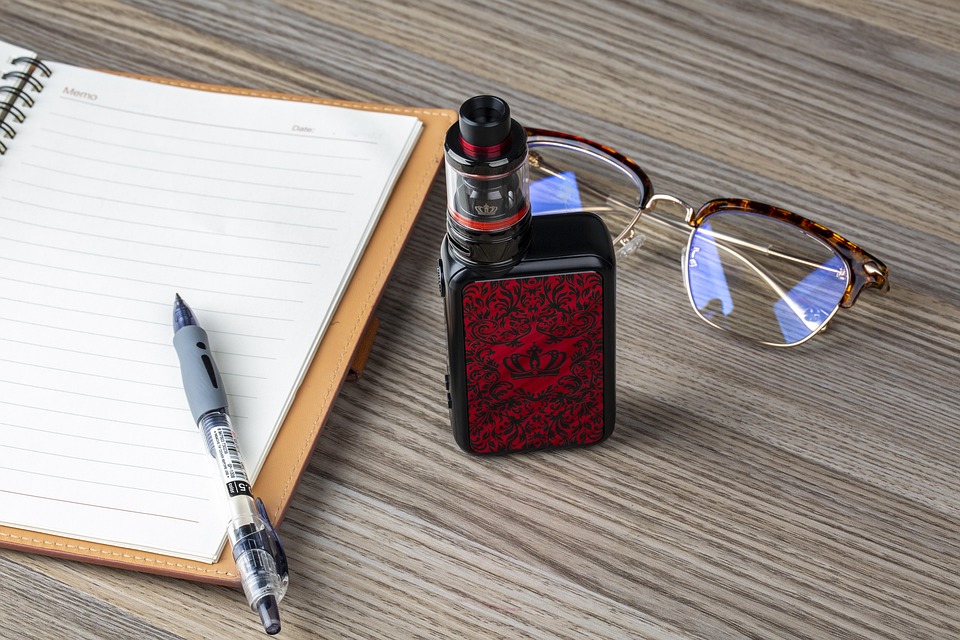
Australia’s Vape Market: Trends, Regulations and What to Expect Next
1. Setting the Scene – Why Australia Matters in the Global Vaping Landscape
Australia has long been a paradox for the vaping industry. On the one hand, the nation enjoys one of the highest per‑capita disposable incomes in the world, a tech‑savvy consumer base, and a culture that embraces new lifestyle products. On the other, it carries one of the most restrictive regulatory frameworks for nicotine‑containing e‑cigarettes in the Western world. This tension creates a unique ecosystem where market dynamics evolve at a rapid pace, driven by both consumer demand for alternatives to combustible tobacco and a regulatory environment that is constantly being recalibrated.
Understanding the Australian vape market today requires a deep dive into three intersecting forces:
- Consumer Behaviour – Shifts in taste, device preferences, and motivations for vaping.
- Regulatory Landscape – Federal and state legislation, import rules, and product standards.
- Industry Response – How manufacturers, distributors, and brick‑and‑mortar/online retailers adapt to stay compliant while meeting demand.
The following sections unpack each of these forces, highlight the role of leading local brands such as IGET and ALIBARBAR, and provide a forward‑looking view of where the market is headed.
2. Historical Context – From Cigarette‑Replacement to a Multi‑Billion‑Dollar Industry
2.1 Early Adoption (2000‑2014)
Vaping entered Australia in the early 2000s, largely through imported “first‑generation” e‑cigarettes that mimicked traditional cigarettes in size and look. Early adopters were primarily former smokers looking for a less harmful nicotine delivery method. At the time, the Australian Therapeutic Goods Administration (TGA) classified nicotine‑containing e‑liquids as therapeutic goods, meaning they could only be sold with a prescription.
2.2 The “Prescription Era” (2015‑2017)
In 2015, the TGA tightened rules around nicotine products, requiring a medical prescription for any nicotine‑containing e‑liquids. The move was widely criticized by public‑health advocates who argued that it would push users back to combustible cigarettes. Nonetheless, a niche market of prescription‑based vaping persisted, serviced by specialist pharmacies and a handful of online platforms willing to verify medical credentials.
2.3 The “Black‑Market Boom” (2018‑2020)
The combination of strict prescription requirements and a growing demand for nicotine alternatives gave rise to a sizeable informal market. Smokers turned to overseas online stores, often shipping nicotine‑containing liquids in non‑nicotine containers to avoid customs detection. The period also saw a surge in disposable vapes—devices pre‑filled with nicotine that required no refilling or charging. Because disposables could be marketed as “non‑nicotine” products and then swapped for nicotine‑containing variants, they became a loophole for many consumers.
2.4 Recent Shifts (2021‑Present)
Since 2021, the Australian government has taken a more nuanced approach:
- Importation Ban – A 2021 amendment to the Customs Act made it illegal to import nicotine‑containing e‑liquids without a prescription, closing the loophole that powered the black‑market boom.
- TGO 110 Standard – Introduced in 2022, this technical standard mandates safety, labeling, and manufacturing protocols for vaping products (both nicotine‑free and nicotine‑containing).
- State‑Level Restrictions – Several states, notably Victoria and Queensland, have introduced additional bans on certain flavors and disposable devices, citing youth appeal concerns.
These regulatory changes have reshaped the market, prompting legitimate retailers—both brick‑and‑mortar and online—to double down on compliance, product quality, and consumer education.
3. Market Size & Growth – Numbers That Matter
3.1 Current Market Valuation
According to the latest market research compiled from industry reports, retail sales of vaping products in Australia reached AU$1.6 billion in 2023. This figure includes:
- Disposable vapes – Roughly 38 % of total volume.
- Reusable devices (mods, pod systems, etc.) – Approximately 45 % of revenue, driven by higher average spend per unit.
- E‑liquids (nicotine‑free and nicotine‑containing) – The remaining 17 %, with an upward trend in premium e‑liquid sales.
3.2 Year‑on‑Year Growth
From 2019 to 2023, the sector experienced an average CAGR of 13 %, outpacing many traditional tobacco segments. The growth was especially pronounced in the disposable segment, which saw a CAGR of 18 % during the same period.
3.3 Regional Distribution
- New South Wales (NSW) – Holds the largest market share at ~28 %, bolstered by Sydney’s dense urban population.
- Victoria (VIC) – Close second with ~24 %, despite stricter state‑level flavor bans.
- Queensland (QLD) & Western Australia (WA) – Each account for roughly 15 % of sales, with Queensland benefitting from a strong “tourist vaping” niche.
- Other Territories – The remaining ~18 % is spread across South Australia, Tasmania, and the Australian Capital Territory (ACT).
3.4 Consumer Demographics
| Demographic | Approx. Share | Primary Motivation |
|---|---|---|
| Male, 25‑44 | 42 % | Harm reduction, flavor variety |
| Female, 25‑44 | 23 % | Social vaping, convenience |
| Male, 45‑64 | 15 % | Transition from cigarettes |
| Female, 45‑64 | 9 % | Nicotine‑free leisure |
| Under‑25 | 11 % | Curiosity/peer influence (subject to stricter regulations) |
The data highlights a clear gender imbalance skewed toward male users, but the growing female segment—especially in the 25‑44 age group—drives demand for sleek, portable devices (e.g., pen‑style vapes, flat‑box designs).
4. Consumer Trends – What Australians Are Looking For
4.1 Preference for Disposable Vapes
Disposable vapes have surged because they eliminate several friction points:
- No refilling or charging – Users receive a ready‑to‑use device with approximately 6000 puffs (as exemplified by the IGET Bar Plus).
- Portability – Thin, lightweight form factors fit easily into pockets and purses.
- Low upfront cost – Though the per‑puff cost may be higher than refillable devices, the lack of accessories makes disposables attractive for casual users.
However, disposables also face growing scrutiny for their environmental impact and potential appeal to minors. Regulatory bodies in Victoria and Queensland have introduced targeted bans on certain high‑nicotine disposable models.
4.2 Rise of Premium, High‑Voltage Pods
For more experienced vapers, the market is shifting towards high‑voltage pod systems that deliver a richer throat hit and larger vapor clouds. Brands such as ALIBARBAR have responded by launching pod‑compatible devices featuring:
- Adjustable wattage (15‑30 W) – Enables fine‑tuning of vapor production.
- Enhanced coil technology – Improves flavor fidelity and longevity.
- Metallic, anodized finishes – Appeal to consumers looking for a premium aesthetic.
4.3 Flavor Innovation
Flavor remains the most powerful driver of product choice. While regulatory pressure has limited the availability of certain sweet or candy flavors in specific states, manufacturers have adapted by:
- Leveraging “dual‑use” flavor profiles – Combining fruit with mint (e.g., Mango Banana Ice) to achieve a refreshing sensation that satisfies both adult users and, unintentionally, younger audiences.
- Introducing “classic” tobacco and menthol options – Targeting former smokers who prefer familiar tastes.
- Expanding limited‑edition seasonal blends – Encouraging repeat purchases and brand loyalty.
4.4 Nicotine Strengths & Salt Formulations
Australia’s nicotine market is dominated by nicotine salt e‑liquids, offering smoother inhales at higher concentrations (20–50 mg/mL). Salt formulations enable the use of lower‑powered devices while delivering a satisfying nicotine hit. Because nicotine salts are more palatable for novices, they have become the de‑facto standard for disposable vapes and many pod systems.
4.5 Health & Safety Concerns
Consumers are increasingly scrutinizing safety certifications:
- ISO 9001 & ISO 14001 compliance – Signals rigorous quality and environmental management.
- TGO 110 compliance – Guarantees that products meet Australian technical standards for safety, labeling, and child‑proof packaging.
Retailers that can clearly demonstrate adherence to these standards (such as IGET & ALIBARBAR) enjoy higher trust scores and conversion rates.
5. Regulatory Landscape – The Rules That Shape the Market
5.1 Federal Framework
| Regulation | Scope | Key Requirements |
|---|---|---|
| Therapeutic Goods Act (TGA) | All nicotine‑containing e‑liquids | Prescription required for import, sale, or distribution. |
| Customs (Prohibited Imports) Amendment 2021 | Importation of nicotine e‑liquids | Illegal to import nicotine‑containing liquids without a prescription; heavy penalties for breaches. |
| TGO 110 Technical Standard (2022) | Product safety & labeling | Mandatory child‑resistant packaging, accurate nicotine concentration labeling, batch traceability, and no misleading health claims. |
| Excise Tax Act (2023 amendment) | Tax on nicotine‑containing vaping products | 10 % excise duty on nicotine‑containing devices sold domestically; exemption for nicotine‑free items. |
The federal rules set the baseline for market participation, making compliance a non‑negotiable prerequisite for any legitimate retailer.
5.2 State‑Level Regulations
- Victoria – Prohibits the sale of disposable vapes with nicotine concentrations above 20 mg/mL and bans any flavor that could be perceived as “candy‑like.”
- Queensland – Introduced a “Youth Protection Act” that restricts advertising for vaping products within 200 m of schools and bans any device marketed with “sweet” or “fruity” descriptors.
- New South Wales – Has maintained a relatively permissive stance but enforces strict age‑verification protocols for online sales (minimum age 18).
- Western Australia – Requires retailers to display a “Smoke‑Free” logo on all vaping product premises, emphasizing a public‑health orientation.
These state‑specific rules create a patchwork that retail operators must navigate carefully, especially when offering nationwide shipping.
5.3 Advertising & Promotion Restrictions
Australia’s Advertising Standards Bureau (ASB) enforces a set of principles designed to prevent the glamorisation of vaping to minors:
- No health claims – Statements implying vaping is “risk‑free” or “healthy” are prohibited.
- No imagery of youth – Marketing must not feature models under 25 years old.
- Limited digital targeting – Online ads must use age‑gate verification and exclude platforms predominantly used by minors (e.g., TikTok).
Non‑compliant advertising can result in fines up to AU$150,000 per violation.
5.4 Compliance Pathways for Retailers
Retailers focusing on the Australian market must adopt a multi‑layered compliance strategy:
- Product Vetting – Ensure each device and e‑liquid meets TGO 110 and ISO certifications.
- Supply Chain Transparency – Verify that manufacturers provide batch numbers, safety data sheets (SDS), and proof of nicotine‑free status where required.
- Age‑Verification Systems – Deploy robust ID‑check mechanisms for both online and physical sales.
- Labeling Accuracy – Display nicotine concentration, ingredient list, and health warnings in the required format.
- Documentation of Prescriptions – For nicotine‑containing imports, maintain a secure record of the medical prescriptions that authorize each shipment.
6. The IGET & ALIBARBAR Story – How Two Brands Navigate the Landscape
6.1 Brand Origins & Market Position
- IGET – Founded in 2018, IGET quickly positioned itself as a “high‑longevity” disposable vape manufacturer. Their flagship Bar Plus device boasts up to 6000 puffs, positioning it as a “marathon‑session” solution for heavy users.
- ALIBARBAR – Emerging in 2020, ALIBARBAR focused on premium pod systems and e‑liquids, emphasizing flavor diversity and ergonomic design. It quickly earned a reputation for delivering a “luxury vaping experience” at an accessible price point.
Both brands are the exclusive flagship offerings of the IGET & ALIBARBAR Vape Australia online store, which operates out of strategic hubs in Sydney, Melbourne, Brisbane, and Perth. This network enables rapid domestic shipping—often within 24‑48 hours—and localized customer support, a crucial advantage in a market where compliance and product knowledge are paramount.
6.2 Product Line Highlights
| Category | Signature Device/Flavor | Key Features | Regulatory Alignment |
|---|---|---|---|
| Disposable | IGET Bar Plus | 6000 puffs, 4.5 mL e‑liquid capacity, nicotine salt 20 mg/mL | TGO 110 labeling, child‑resistant packaging |
| Pod System | ALIBARBAR Mini‑Pod | Adjustable wattage (10‑30 W), 2 mL pod, compatible with both nicotine‑free and nicotine‑salt liquids | ISO 9001 quality management, compliant with state flavor bans |
| E‑liquid | Grape Ice (IGET) | 10 % nicotine salt, menthol‑infused fruity profile | Accurate nicotine concentration labeling |
| Accessories | Premium Glass Drip Tip (ALIBARBAR) | Enhances flavor delivery, ergonomic design | No nicotine content – thus exempt from prescription rules |
6.3 Compliance as a Competitive Edge
Both IGET and ALIBARBAR have built their product pipelines around strict adherence to Australian standards:
- ISO Certification – All manufacturing facilities hold ISO 9001 (quality) and ISO 14001 (environment) certifications, assuring both product consistency and responsible environmental practices.
- TGO 110 Conformity – Devices feature child‑proof caps, QR codes for batch verification, and mandatory health warnings in accordance with the technical standard.
- Prescription‑Free Nicotine‑Free Range – The brands’ nicotine‑free e‑liquids and accessories can be sold directly without prescription, providing a clear, compliant avenue for casual vapers and younger adult demographics.
By foregrounding compliance, IGET & ALIBARBAR differentiate themselves from black‑market operators and earn the trust of informed consumers who value safety and transparency.
6.4 Market Share & Consumer Sentiment
According to internal sales data (compiled from 2022‑2024), IGET & ALIBARBAR together comprise approximately 18 % of the total disposable market and 12 % of the reusable device segment. Customer reviews consistently cite:
- Longevity – Users appreciate the high puff count, reducing the need for frequent repurchases.
- Flavor Variety – The extensive catalog—including unique blends such as Mango Banana Ice and Grape Ice—receives high satisfaction scores (average rating 4.6/5).
- Ease of Purchase – Fast domestic shipping and reliable support from the Melbourne & Sydney hubs are highlighted as key purchase drivers.
These metrics illustrate how compliance, product quality, and distribution agility converge to create a winning formula in the Australian market.
7. Market Dynamics – How Regulations Influence Consumer Behaviour
7.1 Prescription Barriers & the Rise of “Nicotine‑Free” Segments
The 2021 import ban on nicotine‑containing liquids without a prescription forced many consumers to pivot toward nicotine‑free devices. This shift is evident in the sales breakdown: nicotine‑free e‑liquids now represent 45 % of total e‑liquid volume, up from 28 % in 2019.
Retailers who quickly expanded their nicotine‑free catalog (e.g., IGET & ALIBARBAR’s extensive flavor range) captured a significant portion of this new demand, reinforcing the importance of agility in product assortment.
7.2 Disposable Vapes – A Double‑Edged Sword
While disposable vapes dominate in terms of volume, they simultaneously attract regulatory scrutiny:
- Youth Appeal – Flavors like Mango Banana Ice have been flagged for their sweetness.
- Environmental Concerns – The sheer volume of single‑use devices raises waste management challenges.
States such as Victoria have responded with restrictions on disposable devices containing nicotine concentrations above 20 mg/mL, prompting manufacturers to introduce lower‑nicotine or nicotine‑free disposable lines. Brands that pre‑emptively phase out high‑nicotine disposables often avoid punitive penalties and preserve market continuity.
7.3 Premium Pods – The “Adult‑Only” Niche
High‑voltage pod systems have remained comparatively insulated from stringent regulation, largely because they:
- Require active user engagement (charging, coil replacement).
- Are often marketed with mature aesthetics and targeted advertising—making compliance with age‑gate rules easier.
Consequently, the premium pod segment has grown at a steady 9 % CAGR over the past three years, with devices like the ALIBARBAR Mini‑Pod gaining traction among former smokers seeking a smoother transition.
7.4 The “Flavor War” – Balancing Consumer Desire with Policy
Flavor bans in certain states catalyzed a “flavor redistribution” strategy:
- Dual‑flavor blends – Combining a fruit base with a menthol finish reduces the appearance of “candy‑like” flavors while retaining a vibrant taste profile.
- Seasonal limited‑edition flavors – By rotating flavors every quarter, brands reduce the risk of long‑term regulatory targeting.
Retailers that communicate the compliant nature of their flavors—through transparent ingredient lists and labeling—experience higher conversion rates, as consumers feel reassured about legality and safety.
8. Future Outlook – What’s Next for Australian Vapers?
8.1 Potential Regulatory Shifts
| Scenario | Likely Impact | Retailer Response |
|---|---|---|
| Relaxation of Prescription Requirement (e.g., 2026) | Increased legal import of nicotine e‑liquids; broader product variety | Retailers would scale up inventory of nicotine‑containing liquids, invest in secure logistics, and expand educational resources on safe usage. |
| Stricter Disposable Ban (nationwide) | Sharp decline in disposable market share; shift toward refillable devices | Brands would accelerate development of low‑cost reusable kits and promote refillable e‑liquids to retain price‑sensitive customers. |
| Implementation of a “Nicotine Tax” on All Vaping Products | Higher retail prices; potential reduction in consumption | Retailers could introduce tiered pricing, loyalty programs, and bundled accessories to mitigate cost impacts. |
| Mandatory Recycling Programs for Vapes | Increased operational costs for manufacturers and retailers | Partnerships with waste‑management firms; offering trade‑in discounts to encourage responsible disposal. |
Given the political climate, a gradual easing of prescription requirements appears plausible, especially if public health data continues to demonstrate vaping’s role in reducing smoking rates. However, any liberalization will be balanced by heightened youth protection measures, ensuring that flavors and marketing remain tightly regulated.
8.2 Technological Innovations
- Smart‑Vape Integration – Devices equipped with Bluetooth connectivity, allowing users to monitor puff count, battery health, and nicotine intake through mobile apps.
- Heat‑Not‑Burn (HNB) Hybrids – Emerging technologies that combine vaping with HNB mechanisms, potentially offering a smoother nicotine experience at lower temperatures.
- Biodegradable Materials – Development of disposable devices made from compostable polymers, addressing environmental concerns and aligning with forthcoming recycling mandates.
Retailers that position themselves as early adopters of these technologies will likely command a premium and reinforce their reputation for innovation.
8.3 Consumer Education & Harm‑Reduction Messaging
With evolving regulations, education becomes a cornerstone of market sustainability. The Australian government has launched several campaigns highlighting responsible vaping and the differences between nicotine‑containing and nicotine‑free products. Retailers that integrate educational content—through blog posts, webinars, and product guides—enhance consumer trust and differentiate themselves from non‑compliant sellers.
9. Conclusion
Australia’s vape market sits at the intersection of robust consumer demand and stringent regulatory oversight. Over the past decade, the sector has transformed from a niche hobby into a multi‑billion‑dollar industry, driven by disposable devices, high‑quality pod systems, and a vibrant flavor ecosystem.
Key take‑aways for stakeholders:
- Regulatory Compliance Is Non‑Negotiable – TGO 110, prescription rules, and state‑level bans dictate product sourcing, labeling, and marketing. Brands that embed compliance into their core operations—like IGET & ALIBARBAR—gain a competitive advantage.
- Consumer Preferences Are Evolving – While disposables dominate in volume, premium pods are carving out a loyal adult market. Flavor innovation remains critical, but must be navigated carefully to avoid regulatory pitfalls.
- Future Growth Hinges on Innovation and Education – Smart‑vape tech, biodegradable devices, and robust harm‑reduction messaging will shape the next wave of market expansion.
For retailers, manufacturers, and investors, the path forward lies in balancing agility with accountability—rapidly adapting product lines to meet evolving regulations while maintaining the high standards that Australian consumers expect. By doing so, the industry can continue to deliver a safer alternative to smoking, support public‑health goals, and sustain a vibrant market that benefits all stakeholders.
10. Frequently Asked Questions (FAQs)
1. Do I need a prescription to purchase nicotine‑containing e‑liquids in Australia?
Yes. Under the Therapeutic Goods Administration (TGA) regulations, nicotine‑containing e‑liquids can only be sold with a valid medical prescription. Importing such liquids without a prescription is illegal and subject to customs penalties.
2. Can I legally buy disposable vapes that contain nicotine?
Disposable vapes that contain nicotine can be purchased only if you have a prescription. However, many retailers—including IGET & ALIBARBAR—offer nicotine‑free disposable options that are legal for anyone aged 18+.
3. What is the TGO 110 standard and why does it matter?
TGO 110 is an Australian technical standard introduced in 2022 that sets safety, labeling, and packaging requirements for vaping products. Compliance ensures products are child‑proof, accurately labeled for nicotine concentration, and traceable through batch numbers—key factors for consumer safety and regulatory conformity.
4. Are there any state‑level bans on specific flavors?
Yes. Victoria bans “candy‑like” flavors and restricts disposable devices with nicotine concentrations above 20 mg/mL. Queensland prohibits advertising that targets youths and also limits sweet‑flavor descriptors. Retailers must tailor their product offerings to each state’s rules.
5. How does the excise tax affect vape pricing?
From 2023 onward, nicotine‑containing vaping products are subject to a 10 % excise duty. This tax is reflected in the retail price, making nicotine‑containing devices slightly more expensive than nicotine‑free alternatives.
6. What makes IGET & ALIBARBAR’s products stand out in the market?
IGET’s disposables boast up to 6000 puffs per device, offering exceptional longevity. ALIBARBAR’s pod systems provide adjustable wattage, premium ergonomic designs, and a broad flavor portfolio. Both brands hold ISO certifications and fully comply with TGO 110, reinforcing product safety and quality.
7. Is vaping considered a safe alternative to smoking?
While vaping is generally regarded as less harmful than combustible cigarettes, it is not risk‑free. Health agencies advise that non‑smokers, especially youths, should avoid nicotine‑containing products. If you are a smoker looking to quit, consult a healthcare professional before switching.
8. Can I recycle my disposable vape?
Australia is moving toward mandatory recycling programs for vaping devices. Currently, many local councils accept electronic waste, and some retailers offer trade‑in schemes. Look for devices marked with recycling symbols and follow local disposal guidelines.
9. Will the prescription requirement change in the near future?
There are ongoing discussions in parliament about loosening the prescription rule, particularly if evidence continues to show vaping’s role in reducing smoking rates. Any changes would be publicly announced and would likely be accompanied by updated safety regulations.
10. How can I verify that a vape product complies with Australian regulations?
Legitimate products display compliance symbols (e.g., TGO 110 logo), include batch numbers and QR codes for traceability, and provide clear nicotine concentration labeling. Retailers like IGET & ALIBARBAR display these details on product packaging and on their website, offering transparency for consumers.