
Introduction
The debate over the relative health risks of combustible cigarettes and electronic cigarettes (e‑cigarettes) has intensified in the past decade. While both products deliver nicotine—a highly addictive alkaloid—they differ dramatically in how the nicotine is presented to the body, the chemicals that accompany it, and the patterns of use that emerge among different population groups. Public health officials, clinicians, regulators, and consumers alike ask a fundamental question: Are e‑cigarettes a safer alternative to traditional cigarettes, or do they pose their own unique set of dangers?
To answer this question responsibly, we must examine the scientific literature across several domains: toxicology, epidemiology, clinical outcomes, and real‑world usage patterns. This article synthesizes the most current evidence, uncovers where gaps remain, and provides a nuanced perspective for anyone weighing the risks of smoking versus vaping.
1. Historical Context – From the First Cigarette to the Modern Vape
1.1 The Rise of Combustible Tobacco
The modern cigarette emerged in the late 19th century, driven by industrial manufacturing and aggressive advertising. By the mid‑20th century, epidemiological studies linked smoking to lung cancer, chronic obstructive pulmonary disease (COPD), cardiovascular disease, and a host of other conditions. Decades of public‑health campaigns, tax policies, and smoke‑free legislation have reduced prevalence in many high‑income nations, yet an estimated 1.1 billion people worldwide still smoke daily.
1.2 The Birth of the E‑Cigarette
In 2003 a Chinese pharmacist, Hon Lik, filed a patent for a “smokeless cigarette” that heated a nicotine‑containing solution (e‑liquid) to produce an aerosol. The first commercial products appeared in Europe and the United States around 2006‑2007 under the moniker “vape”. Early devices were relatively simple, employing a disposable cartridge and a battery‑powered heating element (the “e‑cigarette atomizer”).
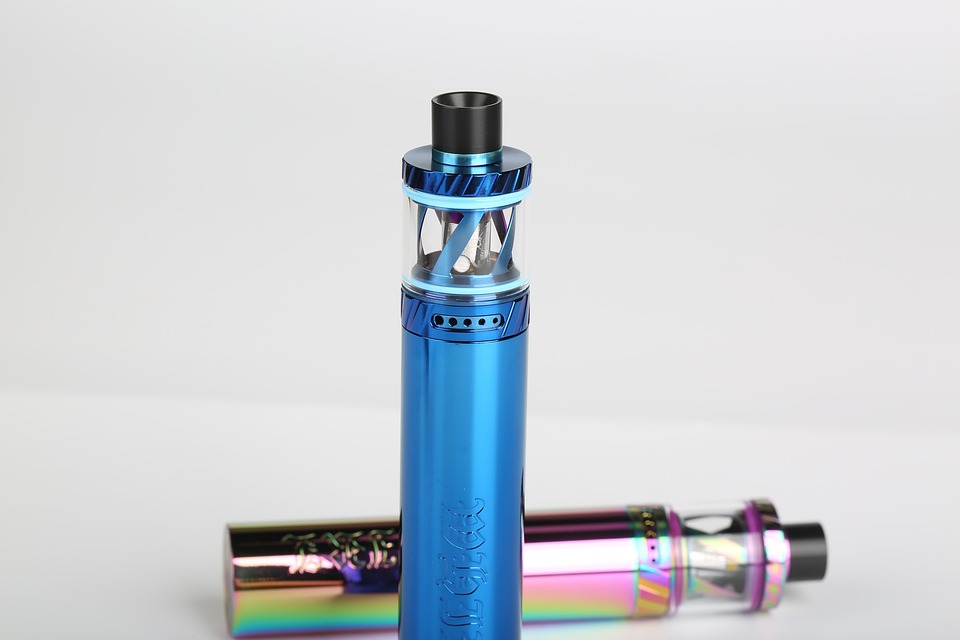
Since then, the market has exploded into a wide spectrum of device generations: cigalikes (cigarette‑shaped disposable devices), pod‑mods (compact systems using nicotine salts), box‑mods (larger, variable‑wattage devices), and disposable vape sticks such as those offered by IGET and ALIBARBAR. These devices differ in aerosol generation, nicotine delivery, and user experience, which in turn influences health outcomes.
2. Chemical Composition – What You Inhale and Its Implications
2.1 Combustible Cigarette Smoke
When tobacco is burned, temperatures exceed 900 °C, leading to a complex mixture of more than 7,000 chemicals. Prominent toxicants include:
| Category | Representative Compounds | Key Health Effects |
|---|---|---|
| Tar | Polycyclic aromatic hydrocarbons (PAHs) like benzo[a]pyrene | Carcinogenicity, mutagenesis |
| Carbonyls | Formaldehyde, acetaldehyde, acrolein | Irritation, oxidative stress |
| Metals | Cadmium, arsenic, lead | Nephrotoxicity, neurotoxicity |
| Gases | Carbon monoxide, nitrogen oxides | Cardiovascular hypoxia |
| Nicotine | (Alkaloid) | Addiction, hemodynamic effects |
The synergistic effect of thousands of chemicals—many of which are known carcinogens—underpins the high disease burden attributed to smoking.
2.2 E‑Cigarette Aerosol
E‑cigarette aerosol is generated at considerably lower temperatures (typically 200–350 °C). The primary constituents are:
| Component | Typical Concentration in Aerosol | Potential Risks |
|---|---|---|
| Propylene glycol (PG) | 30–70 % of e‑liquid volume | Respiratory irritation, dehydration of airway surfaces |
| Vegetable glycerin (VG) | 30–70 % | Possible formation of carbonyls at high power settings |
| Nicotine | 0–50 mg/mL (varies widely) | Same addiction profile as cigarettes; nicotine salts allow higher concentrations with milder throat hit |
| Flavoring agents | Up to 10 % | Some (e.g., diacetyl) linked to bronchiolitis obliterans; many flavors lack systematic toxicology data |
| Thermal degradation products | Formaldehyde, acetaldehyde (usually <1 % of cigarette smoke levels) | Dependent on device power, puff topography, and coil material |
Crucially, e‑cigarettes lack tar and the majority of combustion‑derived toxicants, but they are not “clean” — they can still produce harmful carbonyls, reactive oxygen species, and metal particles from heating coils.
3. Epidemiological Evidence – Population‑Level Outcomes
3.1 Mortality and Morbidity in Smokers
Large‑scale cohort studies (e.g., the British Doctors Study, the US Cancer Prevention Study) consistently show that smokers have a 2‑30‑fold increased risk of death from cardiovascular disease, lung cancer, and COPD compared with never‑smokers. The attributable fraction of premature deaths worldwide from smoking exceeds 7 million per year.
3.2 Emerging Data on Vapers
Because e‑cigarettes entered the market less than two decades ago, long‑term mortality data remain limited. However, several prospective and cross‑sectional studies illuminate early risk signals:
| Study | Design | Primary Findings |
|---|---|---|
| PATH (US, 2015‑2020) | Longitudinal cohort | Vapers who never smoked showed no increase in self‑reported respiratory symptoms relative to never‑users, whereas dual users (vape + cigarette) demonstrated higher rates of chronic bronchitis. |
| UK Royal College of Physicians (2020) | Review of experimental and observational data | Suggests e‑cigarettes are 95 % less harmful than cigarettes when used exclusively, based on comparative risk modeling. |
| Population Assessment of Tobacco and Health (PATH) 2022 | Nationally representative | Daily vapers had a modest increase in self‑reported heart palpitations, but no clear rise in myocardial infarction after adjustment for confounders. |
| Canadian Longitudinal Study on Aging (2023) | Cohort of adults 45‑85 y | Exclusive e‑cigarette users had a 30 % lower incidence of COPD exacerbations over 5 years compared with current smokers. |
Key take‑away: Early evidence aligns with the hypothesis that exclusive vaping carries a substantially reduced risk for many smoking‑related diseases, but uncertainties remain regarding cardiovascular outcomes, long‑term carcinogenic potential, and effects of high‑nicotine‑salt formulations.
4. Specific Health Domains – Comparative Risks
4.1 Respiratory System
| Issue | Cigarettes | E‑Cigarettes |
|---|---|---|
| Bronchial irritation | Persistent cough, sputum production, chronic bronchitis | Acute throat irritation common among new vapers, usually resolves within weeks |
| COPD | Primary cause of COPD worldwide; progressive airflow limitation | Limited data; some cohort studies suggest a markedly lower incidence among exclusive vapers |
| Asthma | Worsens symptoms; increased risk of exacerbations | Some reports of vaping‑related asthma attacks, especially with flavorings like cinnamon or menthol |
| Lung injury (EVALI) | Not applicable (caused by illicit THC oils) | Outbreak in 2019 linked to vitamin E acetate in illicit THC vape liquids; regulated nicotine‑only e‑cigarettes have not been implicated |
4.2 Cardiovascular System
| Parameter | Cigarettes | E‑Cigarettes |
|---|---|---|
| Acute heart rate & blood pressure rise | ↑ 10‑15 bpm heart rate, ↑ 5‑10 mmHg systolic BP per cigarette | Similar acute sympathetic activation seen with nicotine delivery (especially high‑dose nicotine salts) |
| Endothelial dysfunction | Strong, dose‑dependent impairment | Transient impairment noted in short‑term studies; magnitude appears lower than cigarettes |
| Myocardial infarction risk | 2‑4 × higher in regular smokers | Long‑term data lacking; modeling suggests <10 % of the excess risk seen with cigarettes |
| Stroke | ↑ 2‑3 × risk | Limited evidence, but nicotine alone can promote platelet aggregation; clinical significance unclear |
4.3 Cancer
| Cancer Type | Cigarettes | E‑Cigarettes |
|---|---|---|
| Lung | Leading cause; > 80 % of cases in smokers | No direct evidence yet; absence of tar and PAHs suggests dramatically lower risk |
| Oral & Pharyngeal | Elevated; due to direct contact with carcinogens | Some reports of oral mucosal irritation; carcinogenic potential of flavorings under investigation |
| Bladder, Pancreas | Increased due to systemic absorption of carcinogens | No data; plausible risk low given reduced exposure |
| Overall | Attributable cancer mortality ~ 700,000/year globally | Long‑term surveillance needed |
4.4 Oral Health
- Cigarettes: Stain teeth, cause gum recession, increase periodontitis risk, and impair wound healing.
- E‑Cigarettes: May cause dry mouth and mild gingival inflammation. Nicotine salts, especially at high concentrations, can constrict blood vessels in the gums, but the magnitude is less than with smoking.
4.5 Reproductive Health & Pregnancy
| Outcome | Cigarettes | E‑Cigarettes |
|---|---|---|
| Low birth weight | ↑ 30‑40 % risk | Preliminary data suggest a smaller but still measurable risk when nicotine is present |
| Preterm delivery | ↑ 20‑30 % | Limited data; nicotine exposure alone can affect placental blood flow |
| Fetal nicotine exposure | Confirmed via cotinine levels | Detected in maternal urine and amniotic fluid among pregnant vapers; no consensus on safety |
Clinical guidance: All nicotine exposure is discouraged during pregnancy, irrespective of delivery method.
4.6 Secondhand Exposure
- Cigarette smoke: Contains thousands of toxicants; secondhand exposure increases risk of asthma, coronary heart disease, and lung cancer in non‑smokers.
- E‑cigarette aerosol: Contains nicotine, trace metals, and low levels of carbonyls. Studies show that indoor aerosol concentrations are substantially lower than those of sidestream cigarette smoke. Nonetheless, vulnerable populations (children, pregnant women) may still experience nicotine exposure.
5. Device‑Specific Considerations
5.1 Power and Coil Temperature
Higher wattage devices can generate more thermal degradation products, including formaldehyde and acrolein. Users who “chain vape” (take consecutive puffs without cooling) are at heightened risk of carbonyl exposure.
5.2 Nicotine Salts vs. Free‑Base Nicotine
- Free‑base nicotine (traditional e‑liquids) provides a harsher throat hit, limiting the amount users can comfortably inhale.
- Nicotine salts (e.g., nicotine benzoate) enable higher nicotine concentrations (up to 50 mg/mL) with a smoother sensation, facilitating rapid nicotine delivery akin to cigarettes. This can increase dependence potential, especially among youth.
5.3 Flavorings
The flavor landscape (over 300 distinct profiles) is a major draw for adult vapers but also a conduit for youth initiation. Certain diacetyl‑containing flavors have been linked to bronchiolitis obliterans (“popcorn lung”) in occupational settings. Regulatory bodies worldwide are scrutinizing flavor additives for safety.
5.4 Disposable Vapes – The IGET & ALIBARBAR Example
Brands such as IGET and ALIBARBAR dominate the Australian disposable market by offering devices like the IGET Bar Plus which promise up to 6000 puffs, a broad portfolio of fruit‑forward flavors (e.g., Grape Ice, Mango Banana Ice), and a compact, ready‑to‑use design.
Key advantages highlighted by the manufacturers include:
- Longevity: Engineered for marathon sessions, minimizing the need for frequent replacements.
- User‑Centric Design: Ergonomic shape and seamless “out‑of‑the‑box” usability.
- Quality Controls: ISO‑certified production, adherence to TGO 110 standards, and stringent batch testing for contaminants.
While these devices provide convenience, the high nicotine concentrations and flavor variety can amplify appeal among younger demographics. Consumers should weigh the allure of an easy‑to‑use product against the potential for rapid nicotine dependence.
6. Public Health Perspectives – Harm Reduction vs. Initiation
6.1 The Harm Reduction Argument
Proponents view e‑cigarettes as a bridge for adult smokers who cannot quit nicotine entirely. By replacing combustion with vaporization, they argue that:
- Exposure to carcinogens drops sharply.
- Smoking prevalence may decline if adults transition to vaping.
The UK Public Health England (PHE) and the Royal College of Physicians have adopted the 95 % reduced‑risk estimate to inform policy, supporting regulated vaping as part of a smoking cessation toolkit.
6.2 Concerns About Youth Uptake
Data from the US CDC and the Australian National Drug Strategy Household Survey reveal a sharp rise in vaping among teenagers, often unrelated to prior smoking. The concerns are:
- Gateway hypothesis: Youth who start with e‑cigarettes may later transition to combustible cigarettes.
- Nicotine addiction: Early exposure can impair neurodevelopment, affecting attention, learning, and impulse control.
- Flavor appeal: Sweet and fruity flavors are a major driver of experimentation.
Regulators globally have responded with flavor bans, age verification mandates, and advertising restrictions aimed at curbing youth access while preserving adult harm‑reduction pathways.
6.3 Regulatory Landscape
| Region | Key Regulations | Impact on Market |
|---|---|---|
| United States (FDA) | Premarket Tobacco Product Application (PMTA); flavor restrictions on nicotine‑containing e‑liquids (except tobacco/mint) | Delayed entry of new products; some manufacturers shifted to disposable units exempt from certain rules |
| European Union (TPD) | Maximum nicotine strength 20 mg/mL, health warnings, child‑proof packaging, refill container limits | Standardized safety standards, limited high‑strength salts |
| Australia | Nicotine‑containing e‑liquids classified as “Prescription Only Medicines”; legal purchase only via prescription or overseas mail (subject to customs) | Reduced domestic sales of nicotine salts, but thriving market for nicotine‑free or low‑strength devices |
| Canada | Health Canada regulations requiring ingredient disclosure, advertising restrictions, and vaping product standards | Emphasis on product transparency and youth protection |
Australia’s context: While nicotine‑containing e‑liquids require a prescription, brands like IGET and ALIBARBAR operate by offering nicotine‑free disposable vapes and low‑strength products through the Auvape Store, ensuring compliance while meeting consumer demand for convenient vaping experiences.
7. Clinical Guidance – How Health Professionals Should Counsel Patients
- Assessment: Determine the patient’s smoking status (current, former, never) and vaping behavior (exclusive, dual, or occasional).
- Motivation to Quit: Use validated tools (e.g., the 5 A’s—Ask, Advise, Assess, Assist, Arrange).
- Evidence‑Based Options: Offer FDA‑approved cessation medications (nicotine replacement therapy, varenicline, bupropion) as first‑line.
- If Switching to Vaping:
- Recommend regulated, low‑nicotine‑salt devices (≤ 20 mg/mL) for adults who cannot quit nicotine.
- Emphasize exclusivity—avoid dual use, as it negates potential risk reduction.
- Counsel on proper device maintenance to minimize metal and carbonyl exposure.
- Pregnant or Breastfeeding Women: Advise complete nicotine abstinence; discuss behavioral counseling.
- Youth & Non‑Smokers: Strongly discourage initiation of any nicotine product.
8. Emerging Research – What We Still Need to Know
| Knowledge Gap | Ongoing Study | Potential Impact |
|---|---|---|
| Long‑term carcinogenicity of nicotine salts | NIH-funded 20‑year cohort of exclusive e‑cigarette users (2022‑2042) | Clarify cancer risk relative to cigarettes |
| Cardiovascular biomarkers in high‑power vaping | European Heart Institute multi‑center trial (2024) | Inform safe device power limits |
| Effect of flavoring chemicals on lung cells | In‑vitro toxicology consortium (EU Horizon 2025) | May lead to flavor bans or labeling requirements |
| Population‑level impact of vaping on smoking prevalence | WHO Global Tobacco Surveillance System (2023‑2028) | Guide public‑health policy on harm‑reduction endorsement |
| Neurodevelopmental outcomes of prenatal nicotine exposure from vaping | Australian Pregnancy Cohort Study (2022‑2029) | Influence recommendations for pregnant women |
Continued investment in longitudinal studies and mechanistic research is crucial for moving the discourse from modeling assumptions to empirical certainty.
9. Practical Tips for Safer Vaping
- Choose Reputable Brands: Devices that adhere to ISO standards and provide transparent ingredient lists (e.g., IGET, ALIBARCAR).
- Start Low: Begin with nicotine concentrations ≤ 12 mg/mL; increase only if absolutely necessary under medical advice.
- Mind Power Settings: Keep wattage within manufacturer‑recommended ranges; avoid “dry puff” conditions.
- Rotate Flavors: Limit prolonged use of a single flavor, especially those containing diacetyl or cinnamaldehyde.
- Maintain Hygiene: Replace coils as instructed, clean tank components, and store e‑liquids away from heat/cold extremes.
- Monitor Symptoms: Seek medical attention for persistent cough, chest pain, or cardiovascular symptoms.
10. Conclusion
The weight of scientific evidence indicates that combustible cigarettes remain the most hazardous tobacco product, responsible for a staggering burden of disease worldwide. E‑cigarettes, by eliminating the combustion process, dramatically reduce exposure to many of the toxicants that drive smoking‑related morbidity and mortality.
However, this reduction is not equivalent to safety. Vaping introduces its own profile of risks—chiefly nicotine addiction, potential respiratory irritation, and the unknown long‑term effects of flavoring chemicals and high‑temperature aerosolization. The greatest health benefit appears when smokers transition fully to exclusive vaping (or, ideally, to complete nicotine cessation).
Youth uptake, flavor appeal, and the proliferation of high‑nicotine‑salt disposable devices (such as those offered by IGET and ALIBARBAR) underscore a pressing need for balanced regulation—protecting adolescents while preserving a genuine harm‑reduction pathway for adult smokers.
In practice, clinicians should individualize counseling, leveraging approved cessation aids first, and only consider vaping as a secondary, regulated option for those who have failed to quit by other means. Public‑health policies must continue to restrict youth access, demand transparent product standards, and fund longitudinal research to close remaining knowledge gaps.
When used responsibly and exclusively, e‑cigarettes can be a less harmful alternative to smoking, yet they are not a harmless pastime. Understanding the nuanced risk landscape empowers users, health professionals, and policymakers to make evidence‑based decisions that protect both individual and population health.
Frequently Asked Questions (FAQ)
Q1. Are e‑cigarettes 95 % safer than regular cigarettes?
A: The 95 % figure stems from expert consensus modeling, indicating that e‑cigarettes expose users to markedly fewer toxicants than combustible cigarettes. While the relative risk is much lower, “safer” does not mean “safe.” Long‑term health outcomes are still being studied.
Q2. Can vaping help me quit smoking?
A: Some randomized trials and real‑world studies suggest that nicotine‑containing e‑cigarettes can increase quit rates compared with nicotine‑replacement therapy alone, especially when used exclusively. Success depends on device choice, nicotine strength, and behavioral support.
Q3. Is nicotine the main problem in vaping?
A: Nicotine drives addiction and can raise heart rate and blood pressure. However, non‑nicotine components (flavorings, solvents, metal particles) also contribute to health risk. Nicotine‑free vapes eliminate the addiction component but still expose users to aerosol constituents.
Q4. Do disposable vapes like IGET Bar Plus pose extra risks?
A: Disposable devices generally have fixed power settings, which can limit the production of high‑temperature carbonyls. However, many contain high nicotine concentrations using nicotine salts, which may increase dependence potential, especially among new users.
Q5. Are flavored e‑cigarettes safe?
A: Flavoring chemicals are deemed generally recognized as safe (GRAS) when ingested, but inhalation can produce different toxicological effects. Certain flavors (e.g., buttery diacetyl) have been linked to respiratory disease in occupational settings. Regulatory bodies are evaluating which flavors may be allowed.
Q6. What is the risk of secondhand vapor?
A: Secondhand aerosol contains nicotine and trace amounts of carbonyls and metals, but at significantly lower concentrations than secondhand smoke. Vulnerable individuals (children, pregnant women) should still avoid exposure.
Q7. Can vaping cause lung disease like COPD?
A: Current data suggest a lower incidence of COPD among exclusive vapers compared with smokers. Nonetheless, chronic heavy vaping can cause airway irritation and may contribute to bronchiolar inflammation; long‑term studies are needed.
Q8. Is vaping allowed during pregnancy?
A: Health agencies, including the CDC and Australian Therapeutic Goods Administration, advise against any nicotine use during pregnancy, regardless of delivery method. Nicotine can impair fetal development and increase the risk of low birth weight.
Q9. How do I choose a reputable vaping product?
A: Look for manufacturers that:
- Provide full ingredient disclosure and batch testing results.
- Hold ISO or TGO 110 certifications and comply with local regulations.
- Operate transparent quality‑control processes (e.g., the IGET & ALIBARBAR brands claim such standards).
Q10. Will I become addicted if I try vaping once?
A: A single exposure is unlikely to cause dependence, but nicotine salts can deliver a rapid, high nicotine dose that may trigger cravings in susceptible individuals. Use caution, especially if you have a history of nicotine addiction.