
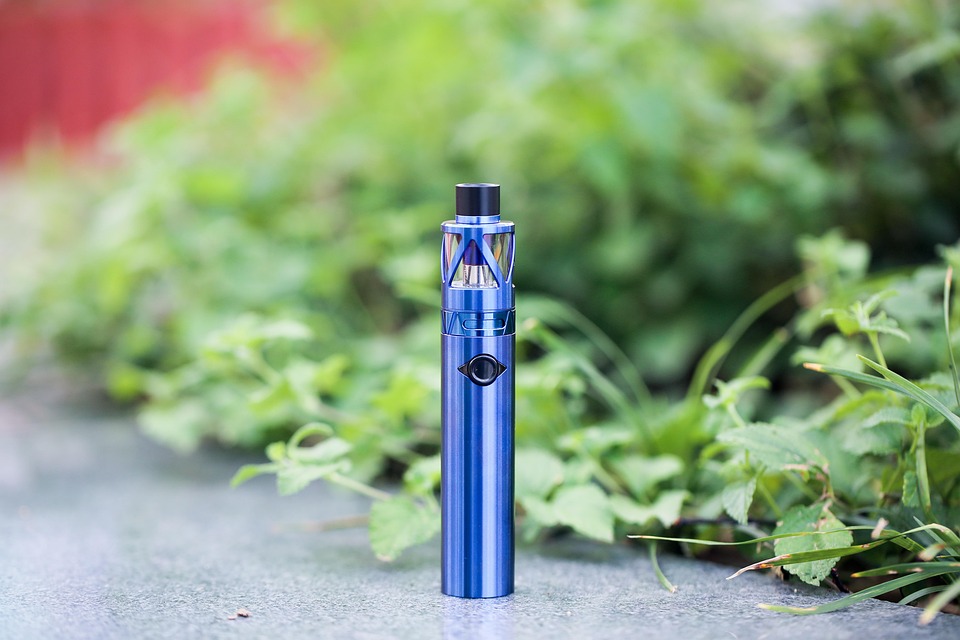
Introduction – Why Quitting Vaping Matters
Vaping has surged in popularity over the past decade, promising a “safer” alternative to traditional cigarettes. While many users initially turn to e‑cigarettes for reduced tar and odor, the reality is more nuanced. Nicotine is still addictive, and the aerosol produced by vape devices contains a cocktail of chemicals—flavorings, propylene glycol, vegetable glycerin, and trace metals—that can affect respiratory, cardiovascular, and oral health.
For Australians, the surge in disposable vapes and sleek pod systems like the IGET Bar Plus and ALIBARBAR devices has made it easier than ever to start or maintain a habit. Yet the convenience of a 6000‑puff device can quickly translate into a hidden dependency that impacts daily life, finances, and long‑term wellbeing.
Quitting vaping is not a single‑day decision; it requires a structured plan, supportive resources, and an understanding of the physiological and psychological cues that drive use. This guide presents a research‑backed, step‑by‑step approach that respects the science of addiction while offering practical tactics for everyday life.
1. Assess Your Relationship with Vaping
1.1 Conduct a Personal Audit
| Question | Why It Matters |
|---|---|
| How many times per day do you vape? | Frequency reveals the level of physical dependence. |
| Which device(s) do you use? (e.g., IGET Bar Plus, ALIBARBAR pod) | Device type influences nicotine delivery and habit cues. |
| What flavors do you prefer? | Flavor preferences can be emotional triggers. |
| When do you vape most often? (stress, after meals, social settings) | Identifies situational cues to target later. |
| How much are you spending per week? | Financial cost can be a powerful motivator for change. |
Write down your answers in a journal or a digital note. Seeing the data laid out helps you quantify the habit and creates a baseline for measuring progress.
1.2 Understand the Nicotine Dose
Most disposable vapes (e.g., the IGET Bar Plus) contain nicotine concentrations ranging from 3 mg/mL to 50 mg/mL. Higher concentrations accelerate tolerance development and withdrawal severity. Use the product label or the retailer’s specification page (IGET & ALIBARBAR VAPE Australia) to calculate your approximate daily nicotine intake:
Nicotine per puff ≈ (Nicotine concentration × volume per puff) ÷ 1000
Daily nicotine ≈ Nicotine per puff × number of puffs per day
If you’re vaping 200 puffs daily from a 5 % nicotine (50 mg/mL) device, the calculation reveals a significant nicotine load comparable to several packs of cigarettes.
1.3 Identify Health Concerns
- Respiratory: Reduced lung capacity, chronic bronchitis‑like symptoms.
- Cardiovascular: Elevated heart rate, increased blood pressure, potential endothelial damage.
- Oral: Dry mouth, gum inflammation, increased risk of periodontal disease.
Having concrete health implications listed can reinforce your motivation during challenging moments.
2. Set Realistic, Measurable Goals
2.1 Choose a Quit Date
Select a date within the next 7‑10 days. This window is long enough to prepare but short enough to maintain momentum. Mark it on your calendar, set reminders, and inform a trusted friend or family member.
2.2 Define Success Metrics
| Metric | Target |
|---|---|
| Number of vape‑free days | 30 consecutive days (first milestone) |
| Reduction in daily puffs | 50 % reduction by week 2 |
| Financial savings | AUD $150 saved in first month |
| Health markers | Improved FEV1 score (spirometry) after 3 months |
Document these metrics in a tracker (Google Sheets, a printable chart, or a dedicated app). Review them weekly to celebrate wins and adapt the plan.
2.3 Adopt a “Partial Reduction” vs. “Cold‑Turkey” Strategy
- Partial Reduction: Gradually lower nicotine concentration or puff count. Example: Switch from 5 % nicotine to 3 % for two weeks, then to 1.5 % before quitting entirely.
- Cold‑Turkey: Stop vaping completely on quit day. This works for some who prefer an immediate break from nicotine.
Both methods have evidence supporting success; select the one that aligns with your personality, previous quit attempts, and support network.
3. Prepare Your Environment
3.1 Remove Vaping Materials
- Dispose of all cartridges, pods, and disposable vapes.
- Clear out accessories (chargers, vape pens, carrying cases).
- Store them out of sight for at least 30 days to break visual cues.
If you own premium devices like the IGET Bar Plus, consider donating or selling them through a reputable outlet to avoid temptation.
3.2 Replace Ritual Items
Vaping often involves habitual hand‑to‑mouth motion. Replace that with healthier alternatives:
| Habit | Replacement |
|---|---|
| Holding a vape pen | Grip a stress ball, fidget spinner, or a pen |
| Inhaling aerosol | Practice deep diaphragmatic breathing or use a scented inhaler with peppermint or eucalyptus |
| Social vape sessions | Switch to non‑nicotine activities like board games, coffee outings (without vaping), or short walks |
3.3 Optimize Your Physical Space
- Workplace: Keep a water bottle on your desk to curb oral fixation.
- Home: Install air purifiers to reduce lingering aerosol odor, reinforcing a cleaner environment.
- Car: Keep a small snack bag (nuts, fruit) to avoid cravings during commutes.
4. Manage Withdrawal – Science‑Based Techniques
Nicotine withdrawal typically peaks within 2‑5 days and can last for several weeks. Common symptoms include irritability, anxiety, cravings, difficulty concentrating, and sleep disturbances. Below are evidence‑based strategies to mitigate these effects.
4.1 Nicotine Replacement Therapy (NRT)
If you chose the partial reduction route, NRT can smooth the transition:
| Product | Dosing Recommendation | Duration |
|---|---|---|
| Nicotine gum (2 mg) | 1 piece every 1–2 hours, increase if cravings intensify | Up to 12 weeks |
| Nicotine lozenge (4 mg) | 1 lozenge every 1–2 hours, avoid eating/drinking 15 min prior | Up to 12 weeks |
| Nicotine patch (7 mg) | Apply daily on a clean, dry, hair‑free area; rotate sites | 8–10 weeks |
Choose a form that fits your lifestyle. The patch provides steady plasma nicotine, while gum/lozenge offers “as‑needed” relief for acute cravings.
4.2 Behavioral Therapy
- Cognitive‑Behavioural Therapy (CBT): Identifies thought patterns that trigger vaping (e.g., “I can’t relax without a puff”). A qualified therapist can help reframe these beliefs.
- Motivational Interviewing (MI): Engages ambivalence and strengthens intrinsic motivation.
- Mindfulness‑Based Stress Reduction (MBSR): Teaches present‑moment awareness, reducing automatic responses to cravings.
Many Australian community health centres offer free or low‑cost sessions. Online platforms (e.g., QuitNow, Smokefree NSW) also provide virtual CBT modules.
4.3 Physical Activity
Exercise releases endorphins, counteracting nicotine‑induced dopamine deficits. Aim for at least 150 minutes of moderate aerobic activity per week. Simple actions like a brisk 30‑minute walk after meals can replace vaping cues.
4.4 Nutrition & Hydration
- Stay Hydrated: Dehydration can amplify cravings. Keep a refillable bottle at hand.
- Balanced Diet: Complex carbs, protein, and healthy fats stabilize blood sugar, reducing irritability.
- Vitamin C & B‑Complex: Support adrenal function and nervous system health during withdrawal.
4.5 Sleep Hygiene
Withdrawal can disrupt sleep patterns. Adopt the following:
- Fixed bedtime and wake‑time schedule.
- Limit screen exposure 30 minutes before sleep.
- Use a cool, dark bedroom environment.
- Consider a short, low‑dose melatonin supplement (0.5 mg) for the first two weeks if needed, after consulting a pharmacist.
5. Build a Support Network
5.1 Friends & Family
Share your quit plan openly. Request that they:
- Avoid vaping around you.
- Offer non‑nicotine treats (fruit, gum).
- Celebrate milestones (e.g., “Congrats on 7 vape‑free days!”).
5. Peer Communities
- Online Forums: Reddit’s r/QuitVaping, Australian “Quit Vaping” Facebook groups.
- Local Meet‑Ups: Check community boards for “Quit Vaping” support groups in Sydney, Melbourne, Brisbane, or Perth.
5. Professional Resources
- Quitline Services: Call 13 Quit (1300 784 437) for free counseling.
- Primary Care Physician: Discuss pharmacotherapy options such as varenicline (Champix) or bupropion (Zyban). These are FDA‑approved for nicotine cessation and have proven efficacy for e‑cigarette users.
6. Replace the Social Aspect
Vaping often serves as a social lubricant. To maintain connections without the device:
| Situation | Alternative |
|---|---|
| Coffee breaks | Shift to herbal tea, or a “no‑vape” coffee break where you simply chat. |
| Parties | Engage in games, photo booths, or volunteer to manage music playlists. |
| Online gaming | Use voice chat to discuss game strategies instead of vaping. |
If you frequent stores like IGET & ALIBARBAR VAPE Australia for community, consider visiting for product inquiries but transition your purpose to “educational research” rather than purchasing.
7. Track Progress & Adjust
7.1 Daily Log
| Date | Vape‑Free? (Y/N) | Cravings (0‑10) | Mood (1‑5) | Strategies Used |
|---|---|---|---|---|
| 01‑Nov | Y | 3 | 4 | Deep breathing, gum |
| 02‑Nov | Y | 5 | 3 | Walk, water bottle |
Identify patterns. If cravings spike after a certain activity, modify that routine.
7.2 Weekly Review
- Metric 1: Number of vape‑free days (goal: 5/7).
- Metric 2: Total nicotine saved (calculate using product cost vs. NRT).
- Metric 3: Physical symptoms improvement (e.g., reduced cough frequency).
Adjust your plan based on insights. If cravings remain high after two weeks, consider stepping up NRT dosage or adding an additional counseling session.
7.3 Celebrate Milestones
- 1‑day, 3‑day, 7‑day, 30‑day, 90‑day marks.
- Reward yourself with something meaningful—movie night, new fitness gear, or a weekend getaway.
The psychological reinforcement of achievement solidifies the new, vape‑free identity.
8. Prevent Relapse
8.1 Recognize High‑Risk Scenarios
- Stressful life events (job loss, exams).
- Social gatherings where vaping is prevalent.
- Travel (airport lounges, unfamiliar environments).
Prepare contingency plans: carry NRT, have an “exit strategy” (e.g., leave the area), or schedule a quick call with your support buddy.
8.2 “If‑Then” Planning
If I feel an urge after lunch, then I will chew a piece of sugar‑free gum and do a 5‑minute stretch.
Write at least five such statements and place them where you can see them (fridge, desk).
8.3 Manage Slip‑Ups
A slip does not equal failure. If you vape once:
- Acknowledge the incident without self‑judgment.
- Analyse triggers (was it stress? boredom?).
- Re‑commit to the plan, perhaps strengthening NRT or seeking an extra counseling session.
Research shows that individuals who treat lapses as learning experiences are 35 % more likely to achieve long‑term abstinence.
9. Long‑Term Maintenance
9.1 Continue Health Monitoring
- Annual lung function test (spirometry).
- Blood pressure check every 6 months.
- Oral health review with a dentist at least once a year.
9.2 Lifestyle Integration
- Regular Exercise: Aim for a consistent routine (running, swimming, cycling).
- Mindfulness Practice: 10‑minute meditation daily reduces stress, a common relapse trigger.
- Hobby Development: Engage in creative pursuits (painting, music, cooking) to fill the time previously occupied by vaping.
9.3 Re‑Evaluate Nicotine Dependency
If you used NRT, gradually taper the dose over weeks to months. Follow a schedule:
| Week | NRT Dose | Notes |
|---|---|---|
| 1‑2 | Full dose (as prescribed) | Monitor cravings |
| 3‑4 | Reduce by 25 % | Replace one dose with a non‑nicotine chew |
| 5‑6 | Reduce by another 25 % | Aim for “as needed” only |
| 7‑8 | Discontinue | Should be nicotine‑free |
Conclusion
Quitting vaping is a multifaceted journey that blends self‑knowledge, structured planning, scientific interventions, and community support. By thoroughly assessing your vaping habits, setting realistic goals, preparing your environment, and deploying evidence‑based withdrawal strategies, you create a robust framework that dramatically improves your chances of success.
Remember that the process is not linear—there will be days of triumph and moments of setback. Treat each experience as data, refine your approach, and maintain a compassionate mindset toward yourself. The health benefits of a vape‑free life accrue quickly: clearer lungs, stabilized heart rate, improved mood, and financial savings that can be redirected toward enriching experiences.
With persistence, the habits built around devices like the IGET Bar Plus or ALIBARBAR pods will fade, replaced by healthier routines that support long‑term wellbeing. Your commitment today paves the way for a brighter, smoke‑free tomorrow.
Frequently Asked Questions (FAQ)
1. How long does nicotine withdrawal typically last for vapers?
Most physical symptoms taper off within 2‑3 weeks, while psychological cravings can persist for several months. Using NRT and behavioral support shortens the acute phase.
2. Is it safe to switch from a high‑nicotine vape to a lower‑nicotine one as a quitting strategy?
Yes. Gradual reduction in nicotine concentration helps the brain adjust slowly, reducing the intensity of withdrawal. Pair this with a structured timeline and optional NRT for best results.
3. Can I quit vaping without using nicotine replacement therapy?
Many people succeed using cold‑turkey or behavioral methods alone, especially if their nicotine intake is low (<5 mg per day). However, NRT improves quit rates by 30–40 % for moderate to high dependence.
4. Will vaping cessation improve my athletic performance?
Absolutely. Nicotine constricts blood vessels, limiting oxygen delivery. After quitting, VO₂ max and endurance typically improve within weeks, and recovery times shorten.
5. I love the flavors of my IGET and ALIBARBAR devices. How can I cope without them?
Flavor cravings are often tied to oral stimulation. Switching to flavored caffeine‑free teas, sugar‑free gum, or inhalers with natural essential oil scents can satisfy the sensory need without nicotine.
6. I’m traveling overseas and worry about temptation. What should I do?
- Pack a full month’s supply of NRT in travel‑approved containers.
- Research local vape laws (many countries have strict bans).
- Identify vape‑free zones (airports, museums) and plan activities that keep you occupied.
7. Is varenicline (Champix) appropriate for e‑cigarette users?
Varenicline is approved for nicotine dependence and has been shown to aid e‑cigarette cessation. Consult your GP to discuss suitability, dosage, and potential side effects.
8. How can I involve my family in my quit plan without making them feel responsible?
Share your goals and ask for encouragement, not enforcement. Provide them with simple actions they can take (e.g., offer a water bottle when you feel a craving) and reassure them that the journey is yours.
9. What if I relapse after several months of success?
Treat it as a learning opportunity. Review your log to pinpoint the trigger, reinforce your support network, and restart the quit plan—often a second or third attempt leads to lasting abstinence.
10. Are there any apps specifically designed for quitting vaping?
Yes. Apps such as “Quit Vaping – MyQuit” and “Vape Free” offer daily tips, craving logs, and community forums. Pairing an app with professional support maximizes success.
Take the first step today. Mark your quit date, clear your space, and reach out to a friend or health professional. The path to a vape‑free life is within your grasp—empowered by knowledge, backed by science, and supported by a community that believes in your success.