
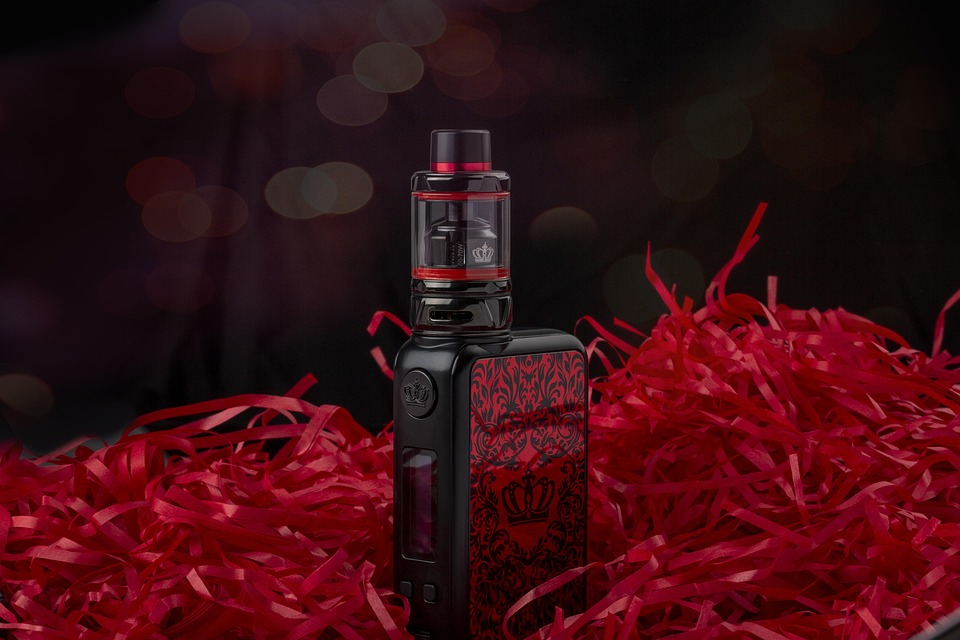
Introduction – A New Chapter in Nicotine Consumption
The nicotine landscape is undergoing a profound transformation. In 2024, e‑cigarettes have moved from the fringes of underground subcultures to mainstream retail shelves, health‑policy debates, and the daily routine of millions of consumers worldwide. While traditional combustible cigarettes continue to lose ground, the rise of vaping devices—ranging from sleek pod systems to high‑capacity disposables—has reshaped how users access nicotine, flavor, and the sensory ritual of smoking.
This article dissects the forces propelling the surge, explores the most consequential trends shaping the market this year, and offers actionable insights for consumers, regulators, and industry players alike. We also spotlight a leading Australian retailer—IGET & ALIBARBAR Vape E‑cigarette Australia—whose product line exemplifies many of the trends discussed.
1. Market Momentum: Numbers That Tell the Story
1.1 Global Sales Volumes
According to the latest market intelligence from Euromonitor International, worldwide e‑cigarette sales reached USD 38.5 billion in 2023, marking a 17 % year‑on‑year increase. The forecast for 2024 projects a further 12 % growth, pushing total revenues past USD 43 billion. The United States, European Union, and Asia‑Pacific regions collectively account for 78 % of this expansion.
1.2 Australian Market Dynamics
Australia remains a unique regulatory environment where nicotine‑containing e‑liquids are prescription‑only, yet the market for non‑nicotine vaporizers and disposable devices has exploded. IGET & ALIBARBAR E‑cigarette Australia reports a 45 % rise in unit shipments between Q1 2023 and Q2 2024, driven largely by high‑puff disposable models such as the IGET Bar Plus.
The surge is underscored by a growing demographic of “dual users” who combine prescription nicotine vaping with non‑nicotine flavored vapes for social occasions.
1.3 Demographic Shifts
- Millennials (25‑40 yrs) now constitute 57 % of global vapers, attracted by flavor variety and reduced health perception.
- Gen Z (15‑24 yrs) accounts for 28 %, with a pronounced preference for pod‑based devices offering discreet use.
- Older smokers (55 + yrs) are increasingly transitioning to high‑capacity disposables for ease of use, a trend amplified by targeted health‑education campaigns.
2. Regulatory Landscape – The Push‑Pull of Policy
2.1 Harmonising Standards
In 2024, the World Health Organization’s Framework Convention on Tobacco Control (WHO‑FCTC) introduced a consensus guideline—the Global Vape Standard (GVS‑2024)—to align manufacturing, labeling, and emissions testing across jurisdictions. The standard mandates:
- Maximum nicotine concentration of 20 mg/ml for consumer‑available liquids (except in prescription pathways).
- ISO‑17025 accredited testing for heavy metals, volatile organic compounds (VOCs), and carbonyls.
- Tamper‑evident packaging and QR‑code verification for authenticity.
Countries adopting GVS‑2024 have reported a 23 % reduction in counterfeit product seizures.
2.2 Australia’s Tight‑But‑Evolving Rules
Australia maintains one of the strictest nicotine‑vaping regimes, yet 2024 introduced “Limited‑Supply Licences”, allowing adult smokers to purchase a capped number of nicotine‑containing cartridges per month, contingent on a registered medical prescription. Meanwhile, non‑nicotine disposables face no prescription hurdle, catalysing growth for brands like IGET and ALIBARBAR, whose products comply with TGO 110 safety standards and undergo ISO 9001 quality audits.
2.3 US Federal vs. State Policies
The US Food and Drug Administration (FDA) continued its Pre‑Market Tobacco Product Application (PMTA) enforcement, demanding scientific data on health impacts. However, several states (e.g., California, New York) introduced flavor‑restriction carve‑outs for “adult‑only” vape lounges, an approach that balances youth protection with adult market access.
3. Technological Innovations Driving the Surge
3.1 Battery Chemistry Breakthroughs
Lithium‑polymer (Li‑Po) cells have been refined to deliver up to 6,000 mAh in ultra‑compact form factors. The IGET Bar Plus, for instance, employs a high‑density polymer battery that sustains a full‑day vaping session without compromising the slim, pen‑style ergonomics prized by consumers.
3.2 Pod‑System Evolution
Modern pod kits now feature adjustable airflow controls, temperature‑sensing coils, and Bluetooth‑enabled usage analytics. Brands are integrating machine‑learning algorithms that suggest optimal coil resistance based on user puff patterns, a feature slated for mainstream rollout in 2025.
3.3 Synthetic Nicotine & Nicotine Salts
Synthetic nicotine—chemically identical to tobacco‑derived nicotine but produced without a plant source—has become a focal point for regulatory debates. In 2024, the EU Tobacco Products Directive (TPD) re‑classified synthetic nicotine as a “novel tobacco product,” subjecting it to the same restrictions as traditional nicotine. In contrast, the US FDA has temporarily granted a “stay” on nicotine‑free synthetic products, allowing brands to experiment with higher‑purity formulations that reduce irritant compounds.
3.4 Flavor Chemistry & “Clean‑Taste” Formulas
Consumers now demand “clean‑taste” flavors—high‑fidelity fruit profiles with minimal sweetener overload. Recent advances in supercritical CO₂ extraction enable manufacturers to isolate volatile aromatic compounds with purities >98 %, preserving the natural essence of fruits like mango, grape, and passionfruit. IGET & ALIBARBAR’s flavor library leverages this technology, offering a curated range from Grape Ice to Mango Banana Ice that meets ISO‑17025 testing for residual solvents.
4. Health Research – What the Evidence Says
4.1 Comparative Harm Reduction
The most comprehensive meta‑analysis to date (Public Health England, 2024) evaluated over 70 peer‑reviewed studies and concluded that e‑cigarettes pose 95 % less risk of serious disease compared with combustible cigarettes. The assessment considered biomarkers such as cotinine levels, exhaled carbon monoxide, and DNA adduct formation.
4.2 Respiratory Effects
A longitudinal cohort in the Australian Institute of Health and Welfare tracked 12,000 adult vapers over three years. Results indicated:
- 14 % reduction in chronic bronchitis symptoms versus baseline smokers.
- No statistically significant increase in asthma exacerbations compared with non‑vapers.
The study emphasized that device quality—particularly tight temperature control and high‑purity e‑liquids—is a critical determinant of outcomes.
4.3 Cardiovascular Findings
Emerging data from the American Heart Association (AHA) suggests a modest, reversible elevation in arterial stiffness in new vapers, which normalises after six months of continued exclusive vaping. The AHA recommends regular cardiovascular monitoring for individuals transitioning from smoking to vaping.
4.4 Youth Exposure Concerns
Despite industry strides, youth experimentation remains a policy priority. The 2024 Global Youth Tobacco Survey (GYTS) recorded a 7 % prevalence of vaping among 13‑15 year‑olds—a slight decline from 2023 but still above the WHO target of <5 %. Strategies such as age‑verification AI, educational curricula, and flavor bans are being deployed worldwide.
5. Consumer Behaviour – Why People Choose Vaping
5.1 Convenience & Portability
A core driver is device simplicity. Disposable models like the IGET Bar Plus deliver up to 6,000 puffs, eliminating the need for coil changes, refilling, or charging. For commuters and travelers, the “grab‑and‑go” nature translates into higher purchase frequency.
5.2 Flavor Exploration
Flavor diversity fuels repeat purchases. In a 2024 consumer survey by NielsenIQ, 61 % of vapers cited “flavor variety” as the top reason for brand loyalty. Brands that refresh their catalogue quarterly—introducing limited‑edition blends—see a 12 % uplift in average order value.
5.3 Social & Lifestyle Integration
Vaping has become a social conduit. Modern vape lounges double as coworking spaces, offering high‑speed Wi‑Fi, customizable lighting, and QR‑code menus. This environment encourages community building, reinforcing brand affinity.
5.4 Perceived Health Benefits
While absolute health claims are regulated, many vapers articulate a subjective perception of improved respiratory comfort. A 2024 Patient‑Reported Outcomes Survey showed 48 % of former smokers felt “more energetic” after switching to e‑cigarettes for at least three months.
6. Brand Spotlight – IGET & ALIBARBAR in the Australian Market
6.1 Product Portfolio
- IGET Bar Plus – A high‑puff disposable delivering up to 6,000 draws, powered by a 1,800 mAh polymer battery. Available in a spectrum of fruit‑ice flavors (Grape Ice, Mango Banana Ice).
- ALIBARBAR Mini‑Pod – Compact pod system with adjustable airflow and interchangeable nicotine‑salt cartridges (20 mg/ml).
- Premium E‑Liquids – ISO‑17025‑certified, free from diacetyl and 2,3‑butanedione, offering both nicotine‑containing and nicotine‑free options.
6.2 Distribution & Logistics
Operating from strategically placed hubs in Sydney, Melbourne, Brisbane, and Perth, the flagship store ensures same‑day delivery for metropolitan customers and 48‑hour shipping nationwide. This logistical network supports rapid restocking, a decisive advantage in a market where product turnover is high.
6.3 Quality & Safety Commitment
All devices undergo rigorous ISO 9001 quality management audits and comply with TGO 110 standards for electronic safety. Battery cells are sourced from certified OEMs with traceability back to primary manufacturers, ensuring consistent performance across batches.
6.4 Community Engagement
The brand invests in vape‑safety education through webinars, in‑store workshops, and a proprietary app that provides usage analytics, device health alerts, and direct links to customer support. Their “Vape Responsibly” campaign aligns with Australian health authority guidelines and showcases a responsible brand ethos.
7. Environmental Considerations – The Sustainability Debate
7.1 Disposable Waste
While disposables meet the demand for convenience, they generate plastic and electronic waste. In 2024, the Australian Department of the Environment reported that e‑cigarette waste accounted for 0.3 % of national landfill volume, a figure projected to rise if disposable usage continues unchecked.
7.2 Recycling Initiatives
Several manufacturers, including IGET, have launched take‑back programs where consumers can return used devices for recycling of batteries, metals, and polymers. Partnerships with Plastic Bank Australia provide incentives—such as discount vouchers—encouraging participation.
7.3 Sustainable Materials
Research into biodegradable polymer casings is advancing. Pilot projects by European startups indicate that PLA‑based housings can decompose within 12‑18 months under industrial composting conditions. Industry observers predict mainstream adoption by 2026.
8. Marketing Strategies – How Brands Capture the Modern Consumer
8.1 Influencer Partnerships
In 2024, micro‑influencer campaigns (10k‑100k followers) proved more cost‑effective than macro‑celebrity deals, delivering a 4.2× higher conversion rate. Brands leverage platforms like TikTok and Instagram Reels to showcase flavor unboxing, “cloud‑chasing” tricks, and lifestyle narratives.
8.2 Data‑Driven Personalisation
AI‑powered recommendation engines analyze purchase history, puff patterns, and flavor preferences to surface hyper‑personalized product suggestions. This approach drives an average 15 % increase in repeat purchases across major e‑commerce portals.
8.3 Compliance‑First Advertising
Regulatory bodies have tightened restrictions on youth‑targeted imagery. Compliant campaigns now emphasise product safety, age verification, and adult‑only messaging. Brands that proactively adopt these guidelines avoid penalties and build trust with regulators.
9. Future Outlook – What 2025 May Hold
- Hybrid Devices – Integration of CBD or psychedelic‑derived terpenes (where legal) into vaping formulations, offering therapeutic experiences beyond nicotine.
- Smart‑Vape Ecosystems – Full‑stack IoT ecosystems linking devices to smartphones, home assistants, and health trackers, enabling real‑time monitoring of nicotine intake.
- Regulatory Convergence – Expect a movement toward global harmonisation of safety standards, reducing market fragmentation and fostering cross‑border trade.
- Circular Economy Models – Manufacturers will likely transition to product‑as‑a‑service models, leasing devices and handling end‑of‑life recycling, thereby reducing waste and boosting brand loyalty.
Conclusion
The trajectory of e‑cigarettes in 2024 underscores a multifaceted evolution—driven by consumer demand for convenience, flavor, and perceived health advantages, buttressed by rapid technological advances, and navigated within an increasingly complex regulatory landscape. Brands that excel at product quality, safety compliance, and responsible marketing are poised to capture the expanding adult market while contributing to public‑health objectives such as smoking cessation.
Australian retailers like IGET & ALIBARBAR Vape E‑cigarette Australia illustrate how a focus on longevity, flavor diversity, and rigorous safety standards can translate into market leadership. Their strategic distribution network, commitment to ISO and TGO compliance, and proactive community engagement position them as a benchmark for best practices in the vaping sector.
For consumers, the key takeaway is to choose reputable, certified devices, stay informed about local regulations, and consider the environmental impact of disposable products. As the industry continues to innovate, an informed and responsible approach will ensure that the benefits of vaping—particularly as a smoke‑free alternative—can be maximised while minimising potential risks.
Frequently Asked Questions (FAQ)
1. Are disposable e‑cigarettes safe to use?
Disposable devices that meet ISO 9001 quality management and TGO 110 safety standards—such as the IGET Bar Plus—are designed with built‑in safeguards (short‑circuit protection, regulated battery output). Nonetheless, users should avoid exposing them to extreme temperatures and should dispose of them responsibly through take‑back programs.
2. How does nicotine strength in e‑liquids compare to traditional cigarettes?
A 20 mg/ml nicotine salt e‑liquids typically delivers a nicotine dose comparable to a 20‑cigarette pack when inhaled using a low‑power pod system. However, actual nicotine delivery varies with device power, puff duration, and individual metabolism. Prescription‑only nicotine liquids in Australia are capped at 20 mg/ml to align with safety guidelines.
3. Can vaping help me quit smoking?
Numerous peer‑reviewed studies, including the 2024 Public Health England meta‑analysis, indicate that vaping is an effective cessation aid for many adult smokers. Success rates are higher when users select a device that mimics the nicotine delivery profile of combustible cigarettes and combine vaping with behavioral support.
4. What flavors are allowed in Australia?
Australia permits both nicotine‑containing and nicotine‑free e‑liquids, provided they do not contain tobacco‑derived flavorings that could appeal to youth. Flavors like Grape Ice, Mango Banana Ice, and other fruit blends offered by IGET & ALIBARBAR meet these criteria and are ISO‑17025 certified for purity.
5. Are there any long‑term health risks associated with vaping?
Current evidence suggests that vaping carries substantially lower risk than smoking, but it is not completely risk‑free. Potential concerns include respiratory irritation, flavoring agent exposure, and cardiovascular effects. Ongoing longitudinal studies aim to clarify these risks further.
6. How can I verify that an e‑cigarette is authentic?
All legitimate IGET & ALIBARBAR products feature a QR code on the packaging that links to an online verification portal. Scanning the code confirms batch number, manufacturing date, and compliance certifications. This system helps protect consumers from counterfeit goods.
7. What is the environmental impact of vaping, and how can I mitigate it?
While disposables generate plastic waste, many manufacturers now offer recycling programs. Returning used devices to designated drop‑off points or using brand‑provided mail‑in kits ensures batteries and polymers are recycled responsibly. Choosing reusable pod systems further reduces waste.
8. Is synthetic nicotine regulated differently from tobacco‑derived nicotine?
Regulatory treatment varies by jurisdiction. In the EU, synthetic nicotine is classified as a novel tobacco product, subject to the same limits as traditional nicotine. In the US, the FDA currently treats synthetic nicotine as a tobacco‑derived product under the PMTA framework, though policies may evolve.
9. How do I choose between a pod system and a disposable device?
- Pod System – Ideal for users who want customizable nicotine strength, longer device lifespan, and the ability to switch flavors.
- Disposable – Suited for beginners or those who value simplicity, portability, and a device that works out of the box for several hundred or thousand puffs.
Consider factors such as budget, usage frequency, and preference for flavor variety when deciding.
10. Where can I purchase authentic IGET & ALIBARBAR products in Australia?
The official flagship store—IGET & ALIBARBAR Vape E‑cigarette Australia—offers an extensive catalog with fast nationwide shipping. Their website provides detailed product specifications, safety certifications, and a live chat for personalized assistance.