
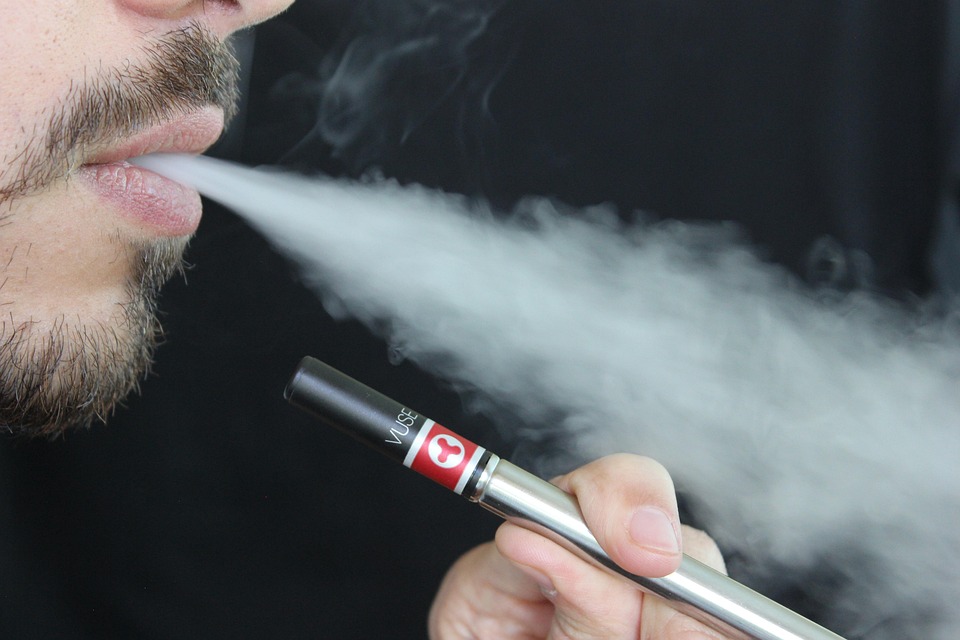
The landscape of nicotine consumption has been reshaped dramatically over the past decade. What began as a fringe hobby among tech‑savvy early adopters has blossomed into a global phenomenon, redefining how we think about smoking, harm reduction, and personal choice. This transformation is driven by a confluence of factors—advances in device engineering, shifting cultural attitudes, aggressive marketing, and evolving regulatory frameworks. To understand where vaping stands today, it is essential to trace its origins, examine the data that underline its rapid ascent, and explore the nuanced debates that accompany its rise.
A Brief Historical Sketch
Early Experiments (2000‑2005)
The first commercially viable e‑cigarette was introduced in China in 2003 by a pharmacist who sought an alternative to traditional tobacco. The device was simple: a cartridge containing nicotine‑infused liquid, a heating element, and a battery. Early adopters were curious hobbyists, and the product circulated largely through word‑of‑mouth and niche online forums. These prototypes were far from the sleek, pod‑based systems seen today, but they laid the groundwork for a new delivery method that separated nicotine uptake from combustion.
The “Modern” Era (2006‑2013)
In 2006, a Chinese company released an improved version with a more reliable battery and a larger e‑liquid reservoir, spurring the first wave of international interest. By 2010, a handful of US manufacturers entered the market, introducing the “cigalike”—devices that visually mimicked traditional cigarettes. Simultaneously, the emergence of “vape pens” with refillable tanks marked the start of modular, customizable vaping. The industry’s early years were characterised by rapid iteration, limited regulation, and a strong DIY culture that encouraged users to mix their own e‑liquids.
Mainstream Acceptance (2014‑2019)
The boom took off in earnest when large tobacco conglomerates acquired or launched their own vaping brands. Companies such as JUUL Labs leveraged sleek, USB‑style designs and high nicotine salt formulations to create a product that delivered a “cigarette‑like” throat hit with minimal effort. By 2018, JUUL alone commanded a 70% share of the US youth market, prompting intense media scrutiny. This period also saw the rise of disposable “pod‑style” devices—compact, pre‑filled units that eliminated the need for refilling or coil changes. The convenience of these products made them especially appealing to younger demographics and those unfamiliar with traditional “mod” vaping.
The Regulatory Pivot (2020‑Present)
Governments worldwide responded with a patchwork of regulations: flavor bans, age‑verification requirements, and limits on nicotine concentration. While some jurisdictions imposed outright bans on certain devices, others embraced vaping as a harm‑reduction tool for adult smokers. In Australia, for example, the National Tobacco Strategy has positioned vaping as a potential pathway out of combustible tobacco, provided users obtain nicotine through prescription pathways. Within this regulatory environment, brands like IGET and ALIBARBAR have carved out a niche, offering premium devices that comply with local standards while delivering a high‑quality experience.
Market Dynamics: Numbers That Speak
-
Global Revenue: The global e‑cigarette market was valued at approximately USD 21.5 billion in 2022 and is projected to exceed USD 45 billion by 2028, reflecting a compound annual growth rate (CAGR) of around 13%.
-
User Base: The world’s vaping population is estimated at 68 million adults, with a notable concentration in North America, Europe, and the Asia‑Pacific region. In Australia alone, recent surveys suggest that 3.2% of adults (roughly 800,000 individuals) have tried vaping, with 1.5% using it regularly.
-
Age Segmentation: The largest growth segment continues to be young adults (18‑34), who are 2–3 times more likely to vape than older age groups. However, a steady increase in usage among smokers aged 45 + signals the expanding role of vaping as a cessation aid.
-
Device Preference: Disposable pod devices now account for 55% of total sales in the US, while refillable tank systems hold 30%, and “cigalike” devices have dwindled to under 5%. In Australia, premium closed‑system devices such as IGET Bar Plus dominate the high‑end segment, while cost‑effective disposables drive volume sales.
These figures illustrate a market in flux: while the overall user count continues to rise, the composition of devices and user motivations are shifting toward more sophisticated, personalized experiences.
Demographic Trends: Who Is Vaping and Why?
1. Smokers Seeking Alternatives
A core driver of vape adoption remains the desire among current smokers to find a less harmful delivery method. Studies from the Royal College of Physicians (UK) and the US National Academies of Sciences have found that up to 95% of adult vapers are former or current smokers. The appeal lies in the ability to titrate nicotine levels, mimic the hand‑to‑mouth ritual, and avoid the odor and second‑hand smoke associated with combustion.
2. Young Adults and Curiosity
The rise of sleek, discreet pod systems has lowered the barrier to entry for non‑smokers, especially students and young professionals. Flavored e‑liquids (e.g., “Mango Banana Ice,” “Grape Ice”) serve as a gateway product, offering a sensory experience that differs markedly from tobacco. The social media amplification of vaping tricks, clouds, and “vape culture” adds an aspirational dimension that resonates with this group.
3. Transitioning to Nicotine‑Free Lifestyle
A growing subset of vapers are exploring nicotine‑free e‑liquids as a way to enjoy the ritual without dependence. This trend dovetails with health‑conscious movements that emphasize sensory enjoyment (flavor, clouds) rather than nicotine consumption.
4. Gender and Socio‑Economic Factors
Data indicate a slight male predominance (approximately 57%) among vapers, though the gap is narrowing. Higher education levels correlate positively with vaping, likely reflecting greater exposure to information sources and disposable income to purchase premium devices.
Technological Innovations Fueling Adoption
A. Nicotine Salt Formulations
Nicotine salts, first popularized by JUUL, enable higher nicotine concentrations (up to 50 mg/mL) without the harsh throat hit typical of free‑base nicotine. This mimics the rapid delivery of cigarettes, making the transition smoother for smokers. Brands like IGET have integrated nicotine salts into their disposable pods, providing a balanced draw while preserving flavor fidelity.
B. Battery and Power Management Advances
Modern devices feature intelligent chipsets that automatically adjust wattage based on coil resistance, ensuring consistent vapor production and preventing overheating. Fast‑charging via USB‑C has become standard, reducing downtime for frequent users.
C. Closed‑System Pods and Leak‑Proof Designs
Closed‑system pods eliminate the need for users to handle e‑liquids, diminishing concerns about spillage and leakage. The IGET Bar Plus, for instance, incorporates a sealed pod architecture that guarantees up to 6000 puffs without performance degradation, delivering reliability for marathon vaping sessions.
D. Flavor Science
Advances in food‑grade flavorings and safety testing have enabled manufacturers to craft complex, layered taste profiles. From tropical fruit blends to dessert‑inspired concoctions, the palette of e‑liquids now rivals that of artisanal cafés. Regulatory compliance (e.g., adherence to the TGO 110 standard in Australia) ensures that flavor additives are sourced responsibly and tested for inhalation safety.
E. Integrated Cloud‑Generation Technology
For cloud‑chasing enthusiasts, the introduction of sub‑ohm coils and high‑wattage devices has resulted in massive vapor production without compromising flavor. While primarily a recreational niche, this technology pushes the boundaries of what vapor devices can achieve, encouraging further engineering breakthroughs.
Health Perspectives: Harm Reduction vs. Potential Risks
The health discourse surrounding vaping is layered and evolving. On one hand, public health agencies in the United Kingdom, Canada, and Australia acknowledge that e‑cigarettes are substantially less harmful than combustible tobacco—estimates range from 95% to 99% lower risk when compared in controlled studies. The absence of tar, carbon monoxide, and many carcinogenic compounds gives vapers a measurable reduction in exposure to known toxins.
Conversely, concerns focus on:
-
Respiratory Irritation: Certain flavoring agents (e.g., diacetyl) have been linked to bronchiolitis obliterans (“popcorn lung”) in occupational settings. Regulatory limits and voluntary phasing out of such compounds have mitigated risks, but vigilance remains essential.
-
Nicotine Addiction: Nicotine remains a potent stimulant with cardiovascular and developmental implications, especially for adolescents. Restricting nicotine concentration and enforcing age verification are pivotal components of harm‑reduction strategies.
-
Long‑Term Data Gap: While short‑term studies suggest a favorable risk profile, the relative novelty of vaping means that decades‑long epidemiological data are still forthcoming. Researchers monitor potential associations with cardiovascular disease, pulmonary function decline, and oral health issues.
The consensus among many experts is that vaping serves as a pragmatic harm‑reduction tool for smokers seeking an alternative, while preventing initiation among never‑smokers, especially youth, must remain a regulatory priority.
Regulatory Landscape: From Global Bans to Prescription Models
United States
-
FDA Enforcement: The U.S. Food and Drug Administration requires pre‑market authorization for new nicotine‑delivery products, enforces flavor bans (except tobacco and menthol) in most states, and mandates strict age verification.
-
State-Level Restrictions: Many states have imposed caps on nicotine concentration (e.g., 20 mg/mL) and bans on disposable pod sales.
European Union
-
TPD (Tobacco Products Directive): The EU limits nicotine strength to 20 mg/mL, restricts e‑liquid container size to 10 mL, and mandates health warnings on packaging.
-
National Variations: Countries such as the UK have embraced vaping as a cessation aid, integrating it into NHS services, while others like France enforce stricter advertising bans.
Australia
-
Prescription Model: Nicotine‑containing e‑liquids can only be legally obtained with a doctor’s prescription. Non‑nicotine e‑liquids are sold over‑the‑counter, offering a pathway for smokers to transition under medical supervision.
-
Compliance Standards: Products must meet the TGO 110 standard for safety and quality, covering aspects such as constituent limits, labeling, and packaging integrity.
-
Local Retail Network: Stores like IGET & ALIBARBAR VAPE E‑cigarette Australia operate from strategic hubs in Sydney, Melbourne, Brisbane, and Perth. Their focus on premium devices, such as the IGET Bar Plus, aligns with the regulatory emphasis on product quality, durability, and consumer safety.
Emerging Markets
- Asia‑Pacific: Countries like Japan have relaxed nicotine regulations for “heat‑not‑burn” systems, while China maintains a robust manufacturing base paired with evolving consumer protection laws.
Regulation continues to be a balancing act: protecting public health, especially for minors, while preserving the potential benefits for adult smokers seeking less harmful alternatives.
Cultural Impact: Vaping as a Lifestyle
Vaping has transcended its role as a nicotine delivery method to become a subculture with its own aesthetics, language, and community rituals. Key elements include:
-
Social Media Communities: Platforms such as Instagram, TikTok, and Reddit host vibrant vape‑focused groups where users share coil‑building tips, flavor reviews, and “vape tricks” (e.g., ghost‑inhaled cloud rings).
-
Events and Competitions: Vape expos, cloud‑chasing championships, and flavor‑mixing contests foster brand loyalty and innovation. Sponsorships by premium brands like IGET and ALIBARBAR reinforce their status as industry leaders.
-
Design and Fashion: The sleek, minimalist aesthetic of modern devices mirrors contemporary tech accessories, encouraging cross‑over appeal between vaping and lifestyle branding.
-
Health Advocacy: Certain advocacy groups promote vaping as a harm‑reduction strategy, lobbying for supportive policies and public education.
This cultural ecosystem bolsters market growth by creating emotional connections that go beyond product functionality.
Spotlight on the Australian Market: IGET & ALIBARBAR
Brand Positioning
IGET and ALIBARBAR have emerged as flagship brands in Australia’s premium vaping segment. Their product lines share common pillars:
-
Longevity: Devices like the IGET Bar Plus are engineered for up to 6000 puffs, equating to weeks of regular use without the need for replacement.
-
Flavor Variety: An extensive catalog ranging from bright, fruity blends (Mango Banana Ice, Grape Ice) to classic tobacco‑styled flavors caters to diverse palates.
-
Ergonomic Design: The pen‑style and flat‑box form factors prioritize comfort, facilitating discreet use in both indoor and outdoor settings.
-
Safety Standards: All products undergo rigorous ISO‑certified testing and meet the TGO 110 compliance requirements, ensuring that consumers receive a trustworthy, high‑quality experience.
Distribution Network
Operating out of major metropolitan hubs—Sydney, Melbourne, Brisbane, and Perth—the brand leverages localized warehouses to guarantee fast shipping across Australia. This logistical backbone enables same‑day dispatch for many orders, a crucial advantage in a market where speed and reliability influence consumer loyalty.
Customer Experience
The IGET & ALIBARBAR storefront offers:
- Exclusive Deals: Bundled promotions, loyalty rewards, and limited‑edition releases keep the community engaged.
- Educational Resources: A dedicated knowledge base helps newcomers understand device maintenance, nicotine tapering, and flavor selection.
- Support Services: Local support teams provide real‑time assistance via chat, phone, and email, reinforcing consumer confidence.
By aligning product innovation with meticulous compliance and customer‑centric services, IGET & ALIBARBAR embody the future of reputable vaping in Australia.
Buying Guide: Choosing the Right Device for You
| Consideration | Key Questions | Recommendation |
|---|---|---|
| Purpose (cessation vs. recreation) | Are you a current smoker looking to quit, or a non‑smoker seeking flavor? | For cessation, start with a closed‑system pod (e.g., IGET Bar Plus) that allows nicotine tapering. For recreation, explore high‑wattage tank kits for cloud production. |
| Nicotine Level | Do you need a high nicotine concentration or prefer a lower dose? | Nicotine salts (up to 50 mg/mL) deliver rapid satisfaction. Choose nicotine‑free liquids if you’re tapering off. |
| Device Type | Do you prefer disposables, refillables, or modular devices? | Disposables are hassle‑free; refillables offer flavor flexibility; modular systems enable hardware upgrades. |
| Portability | Will you be vaping on the go? | Slim, pen‑style pods (IGET Bar Plus) provide the best balance of battery life and pocket‑friendliness. |
| Battery Life | How often can you charge? | Look for devices with >2000 mAh batteries or fast‑charging USB‑C ports. |
| Flavor Preference | Do you enjoy fruity, menthol, dessert, or tobacco profiles? | Sample a variety of flavors; premium brands often provide starter kits with multiple pod flavors. |
| Budget | What is your price range per month? | Disposables cost ~$10–$15 per unit; refillable systems average $30–$50 for starter kits plus $15–$30 per bottle of e‑liquid. |
| Regulatory Compliance | Is the product approved for sale in your jurisdiction? | In Australia, ensure nicotine‑containing liquids are prescription‑based; non‑nicotine devices may be purchased outright. |
Future Outlook: Where Is Vaping Headed?
-
Personalized Nicotine Delivery: Emerging technologies like micro‑dose cartridges and AI‑driven puff tracking will allow users to fine‑tune nicotine intake, potentially integrating with health‑monitoring apps.
-
Sustainable Materials: Brands are experimenting with recyclable pod casings, biodegradable e‑liquid packaging, and refillable cartridge systems to reduce environmental impact.
-
Integration with Cannabis Products: Dual‑use devices capable of vaporizing both nicotine and THC/CBD formulations are gaining traction in markets where cannabis is legal, blurring product categories.
-
Enhanced Safety Features: Smart chips that monitor coil temperature, prevent dry‑hits, and shut down the device if battery anomalies are detected will become standard.
-
Regulatory Harmonization: International bodies are moving toward global standards for e‑liquid composition and labeling, which could streamline cross‑border trade and improve consumer confidence.
The trajectory suggests a maturation of the industry: from the earlier “wild west” to a regulated, innovation‑driven sector that prioritizes user safety, product reliability, and responsible marketing.
Conclusion
The rise of vaping is not merely a fleeting trend; it represents a paradigm shift in how society approaches nicotine consumption, public health, and personal autonomy. Data confirm that millions have already turned to e‑cigarettes as a less harmful alternative to smoking, while the rapid evolution of device technology, flavor science, and market dynamics continues to expand the appeal of vaping across demographics.
For consumers, the key lies in informed decision‑making: understanding the health implications, choosing reputable brands, and complying with local regulations. In Australia, the IGET & ALIBARBAR lineup exemplifies what a responsible, high‑quality vaping experience looks like—offering durability, an extensive flavor roster, and strict adherence to safety standards.
Policymakers must maintain a dual focus: protecting youth from unnecessary nicotine exposure while supporting adult smokers who seek a safer pathway away from combustible tobacco. When balanced correctly, the result is a win‑win scenario—reduced disease burden for the population and a thriving, innovative industry that respects both consumer choice and public health.
Frequently Asked Questions (FAQ)
1. Are e‑cigarettes less harmful than traditional cigarettes?
Yes. Public health agencies in the UK, Canada, and Australia estimate that vaping is approximately 95‑99% less harmful than smoking because it eliminates combustion, which produces tar and many carcinogens. However, vaping is not risk‑free, especially for non‑smokers and adolescents.
2. How does nicotine salt differ from free‑base nicotine?
Nicotine salt combines nicotine with an acid (often benzoic acid), which lowers the pH and allows higher nicotine concentrations without a harsh throat hit. This provides a smoother draw and quicker nicotine absorption, mimicking the experience of smoking a cigarette.
3. Can I vape without nicotine in Australia?
Yes. Non‑nicotine e‑liquids are legally sold over‑the‑counter. Nicotine‑containing liquids require a prescription from a licensed medical professional, after which they can be purchased from authorized retailers.
4. What is the typical lifespan of a disposable vape like the IGET Bar Plus?
The IGET Bar Plus is engineered for up to 6000 puffs, which translates to roughly two weeks of regular use for most adults. Battery life and e‑liquid capacity are optimized to deliver consistent performance throughout its lifespan.
5. How do I know if a vape device complies with Australian regulations?
Look for statements indicating compliance with TGO 110 standards and ISO certifications. Reputable retailers—such as IGET & ALIBARBAR—display these certifications prominently on their product pages and packaging.
6. Are there any health risks associated with flavored e‑liquids?
Most flavorings used in e‑liquids are food‑grade and generally recognized as safe for ingestion. However, inhalation introduces a different exposure route. Certain flavoring agents (e.g., diacetyl) have been linked to respiratory issues at high concentrations, prompting many manufacturers to phase them out. Always choose products that meet regulatory safety standards.
7. How can I taper my nicotine intake while vaping?
Select a device that offers adjustable nicotine concentrations (e.g., pods ranging from 20 mg/mL down to nicotine‑free). Gradually reduce the nicotine level every two‑week interval until you reach your desired target. Pair this with behavioral support, such as counseling or quit‑line services.
8. What should I look for when buying a vaping device for the first time?
Prioritize brand reputation, ease of use, battery life, and availability of support. For beginners, a closed‑system pod like the IGET Bar Plus offers simplicity, safety, and reliable performance without the need for coil building or liquid refilling.
9. Is vaping legal for people under 18 in Australia?
No. The sale of any vaping product—whether nicotine‑containing or not—to individuals under 18 is prohibited. Retailers must verify age through official identification before completing a purchase.
10. How does IGET & ALIBARBAR ensure product quality?
Both brands adhere to ISO‑certified manufacturing processes, perform comprehensive batch testing, and comply with the TGO 110 safety standard. Their products undergo rigorous quality control checks for consistency, durability, and chemical safety before reaching consumers.
Feel free to reach out to the IGET & ALIBARBAR customer support team for personalized recommendations, troubleshooting, or any other inquiries regarding your vaping journey.